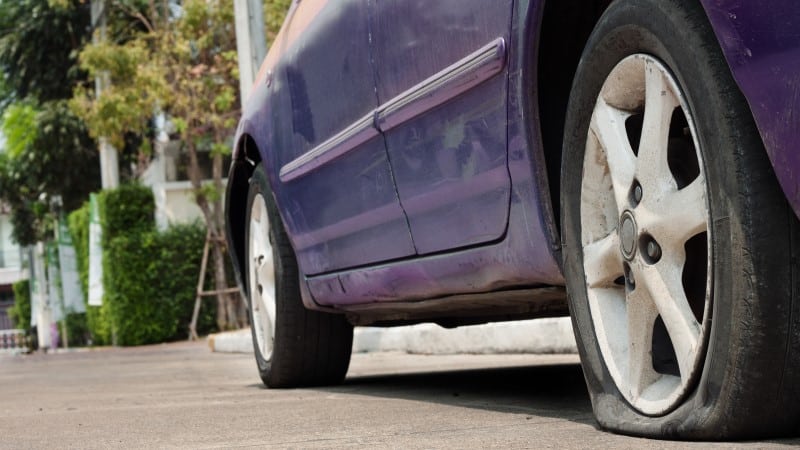
A flat tire is one of the most frustrating and inconvenient problems that a car owner can experience. It can happen anytime, anywhere, and can cause significant delays and often result in additional expenses. One of the most common questions car owners ask is, How long can a car sit on a flat tire? Choosing the right type of tire for your climate can also make a big difference in durability, especially in warmer regions where heat affects tire pressure and wear. Check out our guide on the best tires for hot climates for expert picks.
In this post, we will discuss the factors that affect how long a car can sit on a flat tire without getting damaged and what you should do if you encounter a flat tire.
How Long Can a Car Sit on a Flat Tire?
The short answer to the question is that it depends on various factors. The first and foremost factor that affects the longevity of the flat tire is the condition of the tire itself. If the tire is already worn out or damaged, sitting in a flat condition for an extended period can lead to irreparable damage to the tire. Therefore, it is recommended to replace the tire as soon as possible.
If you’re unsure whether a tire is repairable or needs replacement, you can consult Goodyear’s tire inspection checklist for professional guidance on tire condition and safety.
The next factor is the duration of the flat tire. If you notice the flat tire immediately and take prompt action, it may not cause significant damage to the tire or the car. However, if you leave the car on a flat tire for days or weeks without taking any action, it can lead to damage to the rim, suspension, and alignment, apart from the tire, which is one of several possible causes if you later notice your car shaking while driving.
Another crucial factor is the temperature and climate conditions where you parked the car. If you park the car in a harsh environment with extreme temperatures, it can accelerate the damage to the tire. Exposure to sunlight, humidity, moisture, and other elements can cause the rubber to deteriorate faster, making it more difficult to repair or replace.
The weight of the vehicle is yet another factor that affects the longevity of the flat tire. The weight of the car, along with the weight of passengers and cargo, exerts extra pressure on the flat tire, causing damage to the rim and suspension. Therefore, it is recommended not to drive the car on a flat tire, as it can cause further damage to the car and potentially lead to accidents.
Conclusion
So how long can a car sit on a flat tire? It depends on the factors mentioned above, but it is strongly advised not to let the car sit that way for an extended period. If you notice a flat tire, don’t attempt to drive the car, as it can lead to further damage to the tire and the car. Instead, pull over in a safe spot, replace the flat tire with a spare or a new one, and seek professional help if necessary; knowing how to let air out of a tire the right way and staying on top of regular tire rotations can help you avoid flats in the first place.
Remember, timely action can prevent further damage, save you time, and avoid costly repairs.
Frequently Asked Questions
Can I drive a short distance on a flat tire to get to a shop?
It’s not recommended, even for a short distance. Driving on a flat can damage the wheel, tire, and sometimes the suspension within just a few hundred feet, so it’s safer to call for help or use a spare.
Will a flat tire damage my car overnight?
A single night usually won’t cause serious damage if the car isn’t driven, but leaving it flat for several days or weeks risks dry rot, rim damage, and flat-spotting the tire.
Is it OK to leave a car parked on a flat tire for a long trip?
No, it’s best to either replace the tire, use a spare, or have it towed before an extended trip, since sitting flat for weeks can damage the rim and cause the tire to develop a permanent flat spot.
How can I tell if a flat tire has already damaged my rim?
Look for visible dents, scrapes, or bends along the rim’s edge, and listen for a thumping sound while driving slowly, which can indicate the rim is no longer perfectly round.