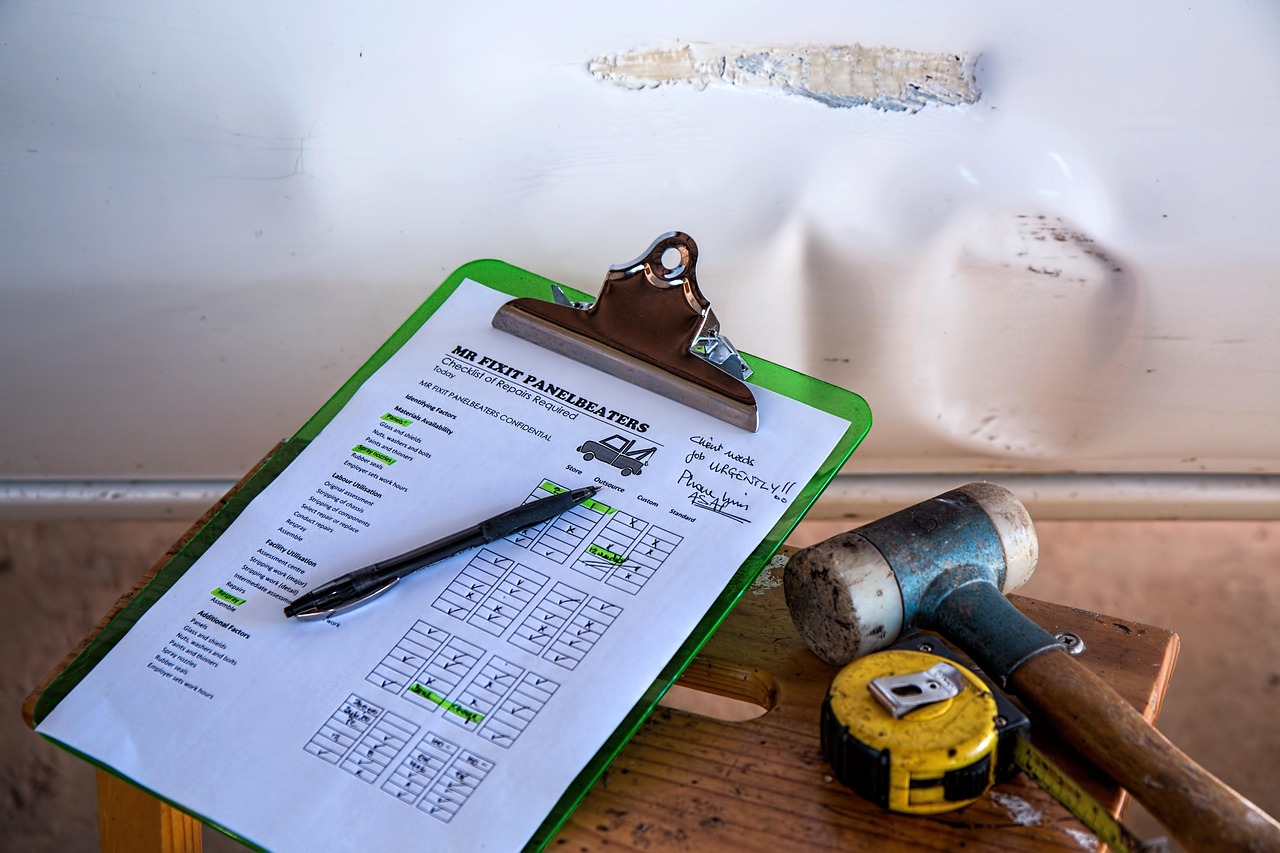
Cars are more than just a mode of transportation—they are an investment, a source of freedom, and often a lifeline in daily life. Yet, many drivers unknowingly neglect small issues that can escalate into costly repairs. From routine maintenance to seasonal checks, ignoring the signs of trouble can lead to breakdowns, reduced safety, and unnecessary expenses. This article highlights common car problems drivers often overlook and provides a comprehensive car maintenance checklist to help you stay ahead.
1. Worn-Out Brake Pads
Your car’s brakes are essential for safety, and maintaining them should never be overlooked. Drivers often ignore warning signs like squeaking, grinding, or longer stopping distances. Brake pads naturally wear over time, and neglecting them can damage rotors and increase repair costs dramatically.
Prevention Tips:
- Listen for unusual noises while braking.
- Monitor braking performance—if your car feels less responsive, check the pads.
- Replace brake pads approximately every 30,000 to 70,000 miles, depending on your driving habits.
2. Low Tire Pressure
Tires are easy to overlook, yet they affect fuel efficiency, handling, and safety. Many drivers only notice flat tires when it’s too late. Low tire pressure not only increases the risk of blowouts but also causes uneven tire wear.
Prevention Tips:
- It’s important to inspect your tire pressure every month, preferably before driving when the tires are cool.
- Maintain the manufacturer-recommended PSI, usually listed in your car’s manual or on the driver-side door.
- To prevent uneven wear, rotate your tires roughly every 5,000 to 7,000 miles
3. Dirty or Clogged Air Filters
Your car’s engine relies on clean air to function efficiently. A clogged air filter can reduce fuel economy, increase emissions, and strain the engine. Despite its simplicity, this maintenance task is often overlooked during routine check-ups.
Prevention Tips:
- Inspect the air filter every 12,000–15,000 miles.
- Replace it sooner if you frequently drive in dusty or polluted environments.
- A clean filter improves engine performance and saves fuel in the long run.
4. Engine Oil Neglect
Engine oil lubricates, cools, and cleans your car’s engine. Failing to change oil regularly can lead to engine overheating, corrosion, and eventually catastrophic failure. Many drivers ignore oil changes until the “check engine” light comes on, which is already too late.
Prevention Tips:
- Follow the manufacturer’s recommended oil change intervals.
- Regularly check the oil level using the dipstick.
- Use high-quality oil suited to your vehicle’s engine type.
5. Battery Problems
One of the most frequent reasons drivers get stranded is a dead car battery. Yet, batteries usually show early warning signs like slow engine cranking, dim headlights, or corrosion on terminals. Ignoring these signs can leave you stranded unexpectedly.
Prevention Tips:
- Inspect battery terminals for corrosion and clean them if necessary.
- Test battery health at least once a year, especially before extreme weather seasons.
- Replace batteries every 3–5 years or sooner if signs of weakness appear.
6. Faulty Headlights and Taillights
Many drivers underestimate the importance of fully functional lights. Faulty headlights, brake lights, or turn signals not only increase accident risk but may also result in traffic fines.
Prevention Tips:
- Check all lights monthly.
- Replace burnt-out bulbs immediately.
- Consider LED upgrades for brighter, longer-lasting lighting.
7. Overdue Fluid Checks
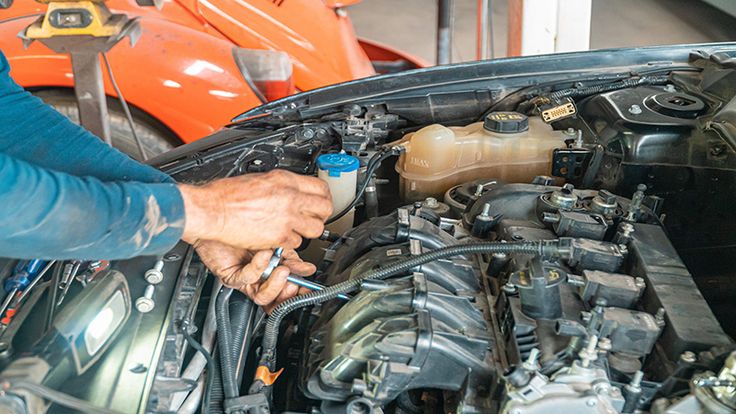
Cars rely on various fluids—transmission, coolant, brake, and windshield washer fluids—for smooth operation. Neglecting these can cause overheating, poor braking performance, or transmission failure.
Prevention Tips:
- Inspect fluid levels monthly or during every fill-up.
- Flush and replace fluids according to the manufacturer’s schedule.
- Look for signs of leaks under your car, which can indicate bigger problems.
8. Worn Wiper Blades
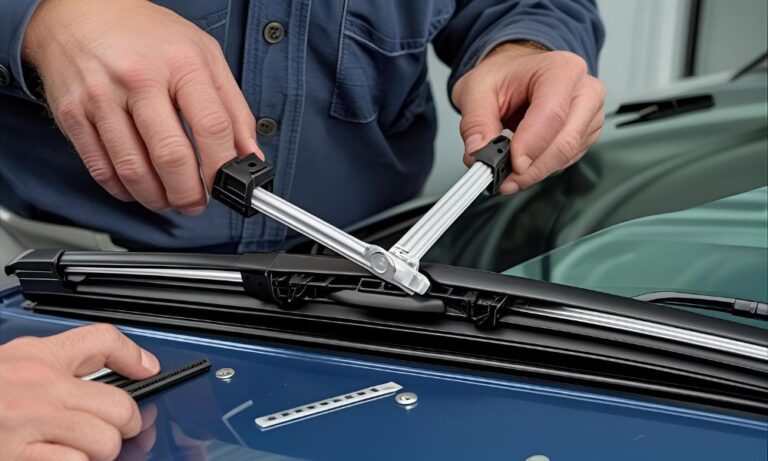
Worn wipers may seem trivial but they can be dangerous during heavy rain or snow. Drivers often wait until visibility becomes a serious issue before replacing them.
Prevention Tips:
- Replace wiper blades every 6–12 months.
- Keep windshield washer fluid topped up.
- Clean blades regularly to prevent streaking and ensure effective operation.
9. Ignoring Warning Lights
Modern vehicles come with sophisticated sensors and warning systems. Drivers often ignore dashboard lights like check engine, tire pressure, or ABS warnings. These indicators are early alerts to prevent costly repairs or accidents.
Prevention Tips:
- Never ignore warning lights.
- Use an OBD-II scanner to identify issues if you’re familiar with diagnostics.
- Visit a certified mechanic promptly to prevent escalation.
10. Suspension and Alignment Issues
Uneven tire wear, pulling to one side, or excessive vibration while driving can indicate alignment or suspension problems. Ignoring these issues can affect handling, safety, and tire longevity.
Prevention Tips:
- Schedule suspension and alignment checks every 12–18 months.
- Replace worn shocks or struts promptly.
- Pay attention to unusual noises or changes in vehicle handling.
Seasonal Maintenance Checklist for Every Car
Maintaining your vehicle isn’t just about fixing problems—it’s about preventing them. Here’s a seasonal checklist to keep your car in top condition year-round:
Spring
- Check tire pressure and tread depth.
- Replace windshield wipers and top up washer fluid.
- Inspect brakes, suspension, and steering components.
- Flush and replace engine coolant if needed.
Summer
- Inspect the air conditioning system.
- Check engine oil and other fluid levels.
- Examine belts and hoses for cracks or wear.
- Monitor tire condition, especially for heat-related expansion.
Fall
- Test the battery and charging system.
- Check all lights for proper operation.
- Inspect brakes and replace pads if necessary.
- Ensure windshield washer fluid is winter-ready.
Winter
- Check antifreeze levels and coolant mixture.
- Inspect tires for winter conditions or consider snow tires.
- Keep a winter emergency kit in the car.
- Examine heater and defrost systems for efficiency.
Conclusion
Ignoring minor car issues can turn a small repair into a major expense. By staying attentive to warning signs, checking fluids and components regularly, and following a seasonal maintenance checklist, you can extend your vehicle’s lifespan, enhance safety, and save money. Proactive car maintenance is not just about avoiding problems—it’s about ensuring peace of mind every time you hit the road.