A dead car battery is one of the most common reasons a vehicle fails to start. Many drivers assume that a jump start will always solve the problem, but that is not always true. In some situations, a car battery can be too dead to jump start.
When this happens, you may need to recharge the battery or replace it entirely. At Peep My Car, we regularly help drivers understand common automotive issues, including battery failures, charging problems, and vehicle maintenance concerns.
Can a Car Battery Be Too Dead to Jump Start?
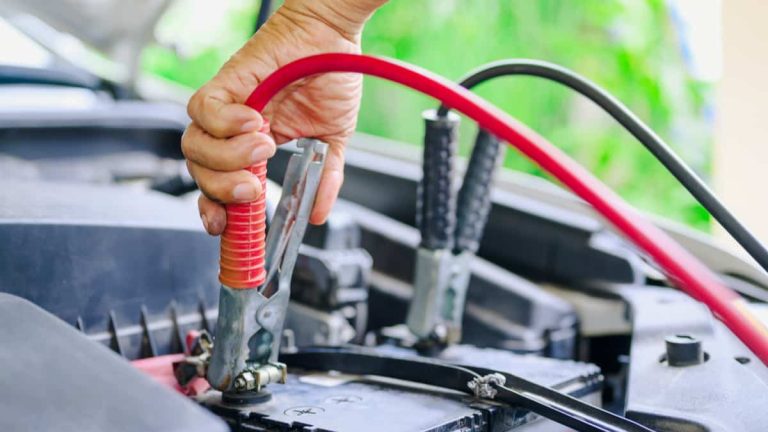
Yes, a car battery can be too dead to jump start. If the battery has been discharged for a long time, has a damaged cell, or suffers from severe sulfation, it may not accept enough power from jumper cables to start the engine. In these cases, a jump start may fail, and the battery may need professional charging or replacement.
Signs Your Battery Won’t Accept a Jump Start
There are several warning signs that indicate a battery may be too dead to jump start:
- No dashboard lights appear when you turn the key.
- The engine does not crank at all.
- You hear repeated clicking sounds.
- The vehicle starts briefly and then shuts off.
- Electrical systems such as headlights remain very dim.
If you notice these symptoms, the battery may have a deeper problem than a simple discharge. Since modern vehicles rely heavily on electrical systems, battery issues can sometimes affect other functions as well.
Common Reasons a Jump Start Fails
1. Internal Battery Damage
Car batteries contain cells that store electrical energy. If one or more cells become damaged, the battery may no longer hold a charge. A jump start cannot repair internal damage.
2. Severe Sulfation
When a battery remains discharged for a long period, sulfate crystals can build up on the battery plates. This condition reduces the battery’s ability to accept and store power.
3. Corroded Battery Terminals
Corrosion on battery terminals can block the flow of electricity. Even if the jumper cables are connected correctly, power may not reach the battery.
4. Faulty Jumper Cables
Low-quality or damaged jumper cables may not transfer enough current to start the vehicle. Always use heavy-duty cables in good condition.
5. Alternator Problems
Sometimes the battery is not the main issue. A failing alternator may prevent the battery from charging properly, causing repeated starting problems. In some cases, electrical issues can also contribute to performance concerns, such as when a Car Jerks When Accelerating, making it important to inspect the entire charging and ignition system.
Dead Battery Vs Bad Battery
Many people confuse a dead battery with a bad battery.
| Dead Battery | Bad Battery |
|---|---|
| Usually caused by power drain | Usually caused by age or damage |
| May be recharged | Often requires replacement |
| Can sometimes be jump-started | May not respond to a jump start |
| Temporary issue | Permanent issue |
Understanding the difference can help you choose the right solution.
What to Do If Your Car Won’t Start After a Jump
If your vehicle still won’t start after a jump start, follow these steps:
- Check the battery terminals for corrosion.
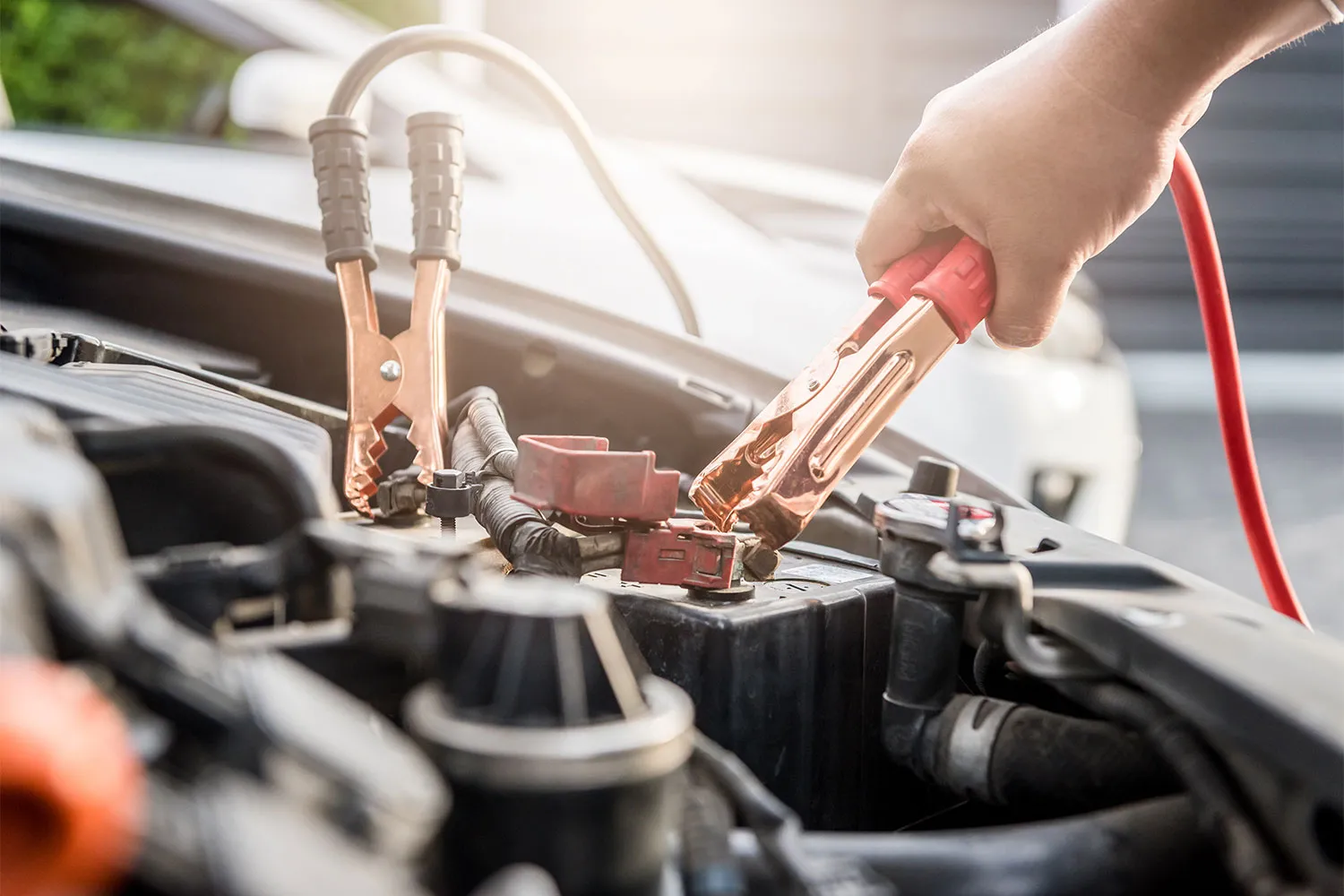
- Verify that the jumper cables are connected correctly.
- Wait five to ten minutes before trying again.
- Test the battery voltage with a multimeter.
- Inspect the alternator and charging system.
- Consider replacing the battery if it is old or damaged.
Following these troubleshooting steps can help determine whether the issue is related to the battery itself or another component within the vehicle’s electrical system.
When Should You Replace the Battery?
Most car batteries last between three and five years. If your battery is near the end of its lifespan and repeatedly fails to hold a charge, replacement is often the best option.
You should replace your battery if:
- It is more than five years old.
- It frequently dies.
- It fails a battery test.
- It has visible swelling or damage.
- It will not accept a charge after multiple attempts.
Replacing a failing battery on time can help prevent unexpected breakdowns and ensure that important vehicle systems continue to operate efficiently.
Mechanic’s Tip
If your battery repeatedly dies even after successful jump starts, the problem may be related to the charging system rather than the battery itself. A professional inspection can help identify whether the battery, alternator, or another electrical component is causing the issue.
Since many electronic features depend on a stable power supply, understanding systems such as Speed Control On A Car can help drivers appreciate the importance of maintaining a healthy battery and charging system.
Frequently Asked Questions (FAQs)
Conclusion
A car battery can indeed be too dead to jump start. While many dead batteries can be revived with a jump start, batteries with internal damage, severe sulfation, or aging issues may not respond.
If your vehicle refuses to start after multiple attempts, testing the battery and charging system is the best way to determine whether a recharge or replacement is needed. Beyond battery maintenance, drivers should also pay attention to other aspects of vehicle care.
For example, learning how to Remove Smoke Smell from Car interiors can improve comfort and driving experience, while exploring local automotive events or searching for Car Shows Near Me can help you stay connected with the automotive community. For more practical car maintenance guides and troubleshooting tips, visit Peep My Car.