If your car shakes the moment you hit the gas, it’s more than just annoying — it usually points to a specific mechanical issue that’s worth diagnosing before it gets worse. This is a common complaint, and in most cases, it comes down to one of a handful of well-known causes.
Below, we’ll walk through the most common reasons your car shakes when accelerating, what each one feels like, and how to fix it. If your car shakes in other situations too — at idle, while braking, or at highway speed — our broader guide on why your car is shaking covers those causes as well.
1. Misaligned Wheels
Your wheel alignment affects whether your car travels straight and true. Even slightly misaligned wheels can cause a pull, vibration, or shake when you accelerate, usually most noticeable at certain speeds. Getting a wheel alignment done adjusts the angles of your tires to match the manufacturer’s specifications and typically resolves this.
2. Unbalanced Tires
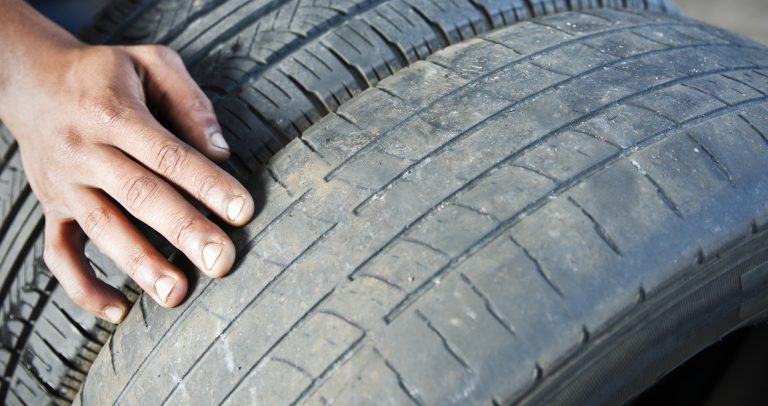
Alignment and balance are often confused, but they’re different problems. Wheel alignment is about the angle of your tires; tire balance is about even weight distribution around each wheel. An unbalanced tire creates a wobble that gets worse as your speed increases, which is why it’s often most noticeable during acceleration. A tire shop can rebalance your wheels in under an hour, and it’s worth checking any time you’ve hit a pothole hard or had new tires installed.
3. Damaged or Worn-Out Engine Mounts
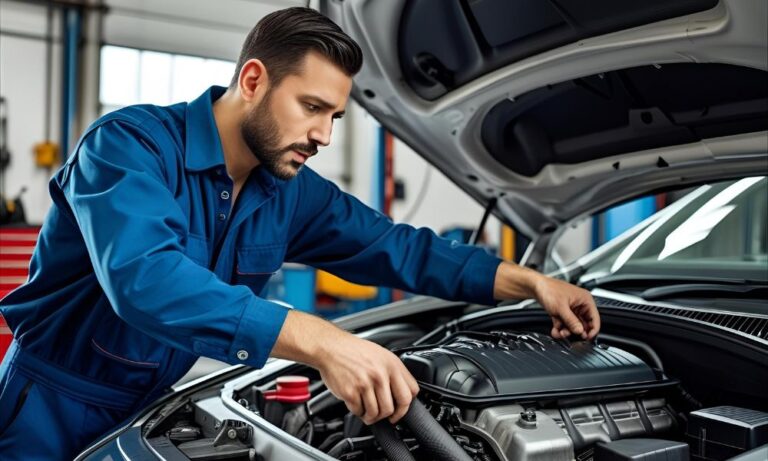
The engine mounts are the part that connects the engine to the frame of the car. They absorb the movement the engine makes, which is what lets you drive smoothly. If the mounts are damaged or worn out, the engine can’t hold its position properly, which shows up as a jerking or shaking motion, especially under acceleration. A mechanic can inspect and replace damaged mounts to fix this.
4. Bad Spark Plugs
Spark plugs ignite the fuel in each cylinder to keep the engine running smoothly. Worn-out spark plugs can cause the engine to misfire, which often feels like a shake or stumble when you accelerate. Most of the time, replacing the spark plugs solves this problem, and they’re relatively cheap to replace, so it’s worth trying first.
5. Dirty Air Filter
The air filter protects the engine and keeps it breathing properly. A dirty air filter restricts airflow, which can lead to poor acceleration and, in more severe cases, shaking or misfiring. Cleaning or replacing the filter is a simple fix and one of the cheapest things to rule out first.
6. Worn CV Joints or Axles
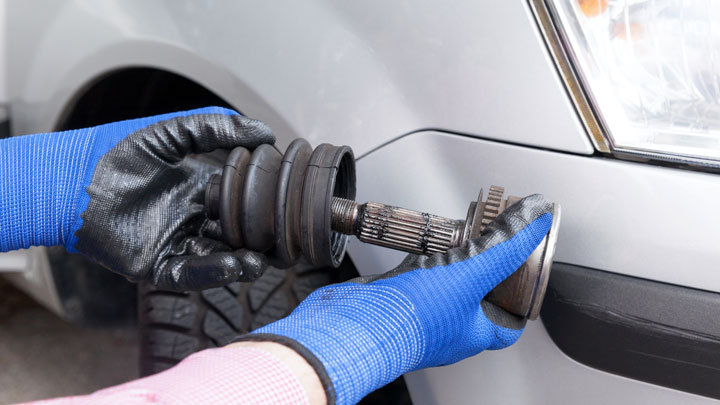
The CV (constant velocity) joints connect your car’s axles to the wheels and let them move smoothly as you steer and accelerate. When a CV joint wears out, it often produces a clicking or knocking sound when turning, along with a noticeable shake or vibration under acceleration. This is more common in front-wheel-drive vehicles and tends to get worse over time. It’s not something to put off — if a CV joint fails completely, you can lose the ability to drive that wheel.
7. Fuel Delivery Problems
If your engine isn’t getting a steady, adequate supply of fuel, it can misfire or hesitate under acceleration, which often feels like a shake or shudder. Common culprits include clogged fuel injectors, a dirty fuel filter, or a weakening fuel pump. If you’re also noticing sputtering, stalling, or trouble starting, it’s worth checking the signs of a bad fuel pump to see if it matches what you’re experiencing.
8. Faulty Transmission
The transmission system controls the gear shifting in your car, and if it’s faulty, it can cause your car to vibrate or shake. In some cases, you may hear a grinding noise, or your car won’t move smoothly when you shift gears. In these situations, it’s best to have a mechanic evaluate the issue and take the necessary steps to fix it.
Conclusion
A car that shakes under acceleration is rarely something to ignore, but it’s also rarely a mystery once you know what to check. From misaligned or unbalanced wheels to worn CV joints, spark plugs, or a struggling fuel system, most causes are straightforward to diagnose and fix.
If what you’re feeling is more of a jolt or lurch rather than a vibration, it might be worth reading about why your car jerks when accelerating instead, since that points to a slightly different set of causes.
Regular maintenance checks go a long way toward catching these issues early, and if you’re ever unsure, it’s worth having a mechanic take a look before a small problem turns into an expensive one.
Frequently Asked Questions
It depends on the cause, but it’s not something to ignore. Mild vibration from something like a dirty air filter is low-risk short term, but shaking from a worn CV joint, bad engine mount, or transmission issue can get worse quickly and lead to more expensive damage, or a breakdown, if left unaddressed.
Shaking that appears specifically under acceleration usually points to something speed- or load-dependent, like an unbalanced tire, a worn CV joint, or a fuel delivery issue, rather than an idle-related problem like a vacuum leak or bad idle air control valve.
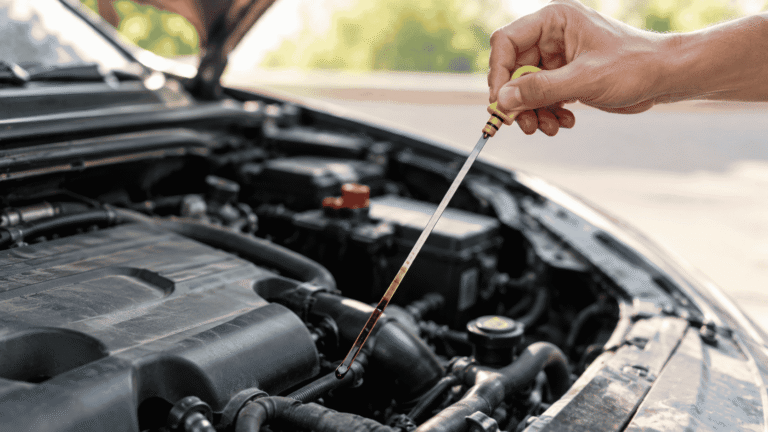
Yes. Low or degraded transmission fluid can cause rough or delayed gear shifts, which often feels like a jerk or shake, especially under acceleration or when the transmission is under load.
Costs vary widely by cause. A wheel alignment or tire balance might run $50 to $150, while a CV joint replacement or transmission repair can run into the hundreds or low thousands. Getting an accurate diagnosis first will save you from paying to fix the wrong thing.
Yes, this is one of the more common causes, especially in front-wheel-drive cars. A failing CV joint often comes with a clicking noise while turning in addition to the shake, and it should be inspected and repaired promptly.