A spongy brake pedal after pad change work is usually caused by one of three things: the caliper pistons haven’t been pumped back out against the new pads, air got into the brake lines, or the new pads haven’t been bedded in yet. The first is normal and fixes itself in a few pumps. The second needs a proper bleed. Here’s how to tell them apart, and why you shouldn’t drive until the pedal feels firm.
First: Did You Pump the Pedal?
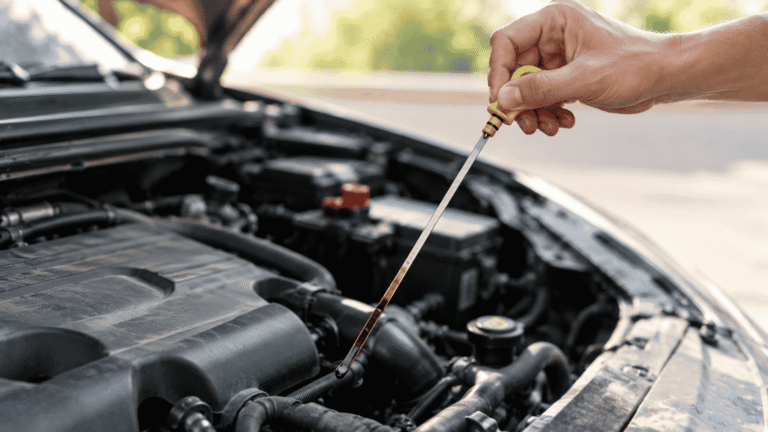
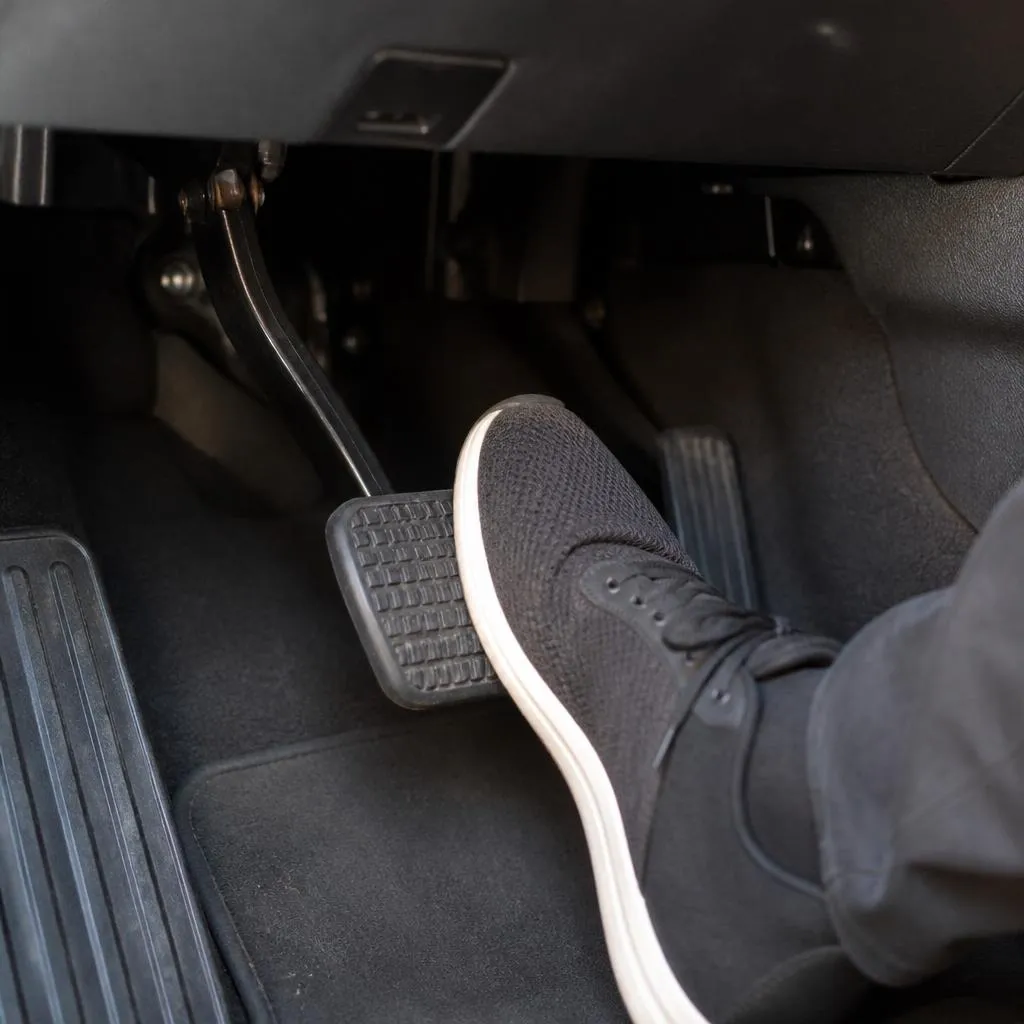
To fit thicker new pads, the caliper pistons are pushed back into their bores. Until they’re pushed out again, the first press of the pedal can go almost to the floor. Before driving, sit in the car with the engine off and pump the pedal slowly several times until it’s firm. Then check the brake fluid reservoir, because the level rises when pistons are pushed back and drops again as they move out. Our guide on how to check brake fluid shows where to look.
If the pedal is firm after pumping and stays firm, you’re fine. If it stays soft or sinks slowly, keep reading.
Common Causes
Air in the Brake Lines
A plain pad swap shouldn’t let air in, but it can happen if a caliper bleeder was opened, a hose was disconnected, or the reservoir ran low while pistons were being pushed back. Air compresses where fluid doesn’t, so the pedal feels soft and spongy. The fix is to bleed the brakes. Our article on why brakes feel spongy covers air and other causes in detail.
Pads Not Bedded In
New pads need to transfer a thin, even layer of material onto the rotors. Until then, the pedal can feel a little vague and stopping power may be lower. Bedding usually means a series of moderate stops from around 30 to 40 mph without coming to a full stop, then driving gently to let the brakes cool. Always follow the pad maker’s procedure.
Pistons or Slide Pins Sticking
If a caliper piston was forced back with damaged seals, or slide pins are dry or seized, the caliper may not clamp evenly. This can cause a long pedal, pulling to one side, or uneven pad wear.
Old or Contaminated Fluid
Brake fluid absorbs moisture over time. Pushing pistons back can also send old, dirty fluid up toward the ABS unit. If the fluid is dark or hasn’t been changed in years, a flush is a good idea. See how to change brake fluid.
Wrong or Poorly Fitted Parts
Pads that don’t match the caliper, missing shims or clips, or warped rotors can all change pedal feel. If the rotors were reused and are scored, your brakes may also make noise. Read how long you can drive with grinding brakes if you hear metal on metal.
Is It Safe to Drive?
No, not until the pedal is firm. A soft pedal means longer stopping distances and less margin in an emergency. If pumping doesn’t fix it, have the brakes bled or inspected before driving anywhere other than straight to a shop at low speed.
Conclusion
A spongy brake pedal after pad change is often just pistons that need pumping back out. If the pedal stays soft, air in the lines is the most likely cause, followed by pads that aren’t bedded in, sticking calipers, or old fluid. Don’t drive on a soft pedal. Bleed the system or have it checked, and keep your rotors in good shape with tips on cleaning brake rotors without removing the wheels.
Frequently Asked Questions
Do you need to bleed brakes after changing pads?
Usually not. A plain pad swap doesn’t open the hydraulic system. You only need to bleed if air got in, for example from opening a bleeder, disconnecting a line, or letting the reservoir run dry.
Why does my brake pedal go to the floor after new pads?
The caliper pistons were pushed back to fit the new pads. Pump the pedal several times with the engine off until it becomes firm before you drive.
How long does it take new brake pads to feel normal?
After bedding in, most pads feel normal right away or within the first 100 to 200 miles of normal driving.
Can a spongy pedal fix itself?
If it’s caused by pistons needing to reset or pads bedding in, yes. If it’s caused by air or a leak, no. It needs bleeding or repair.