If you have been driving your car for a while and haven’t replaced your brake rotors recently, you may have noticed they’ve picked up rust, dust, or grime. The brake rotors are an essential part of your car’s braking system, and keeping them clean is part of maintaining good braking performance. The good news is that in most cases, you don’t need to remove your wheels to deal with it.
In this post, we’ll cover what to try first, the safe way to clean rotors through the wheel spokes, and when it’s actually time to call a mechanic.
Step 1: Try Driving First
Before reaching for any cleaner or tools, know that light surface rust, the kind that shows up overnight or after a rainy day, is usually harmless and often clears on its own within a few normal stops, since the brake pads scrape it off as you drive. If you’ve noticed a bit of orange film through your wheel spokes or some morning squeaking that fades after your first few stops, see our guide on brakes that squeak only in the morning before assuming you need to clean anything by hand.
Step 2: Use Brake Cleaner and a Soft Brush
If rust or grime persists after driving, brake cleaner is the safest and most effective next step. Before you start, put on gloves, safety glasses, and a dust mask; brake dust and cleaner fumes shouldn’t be inhaled, and you should work in a well-ventilated area away from any open flame, since brake cleaner is flammable.
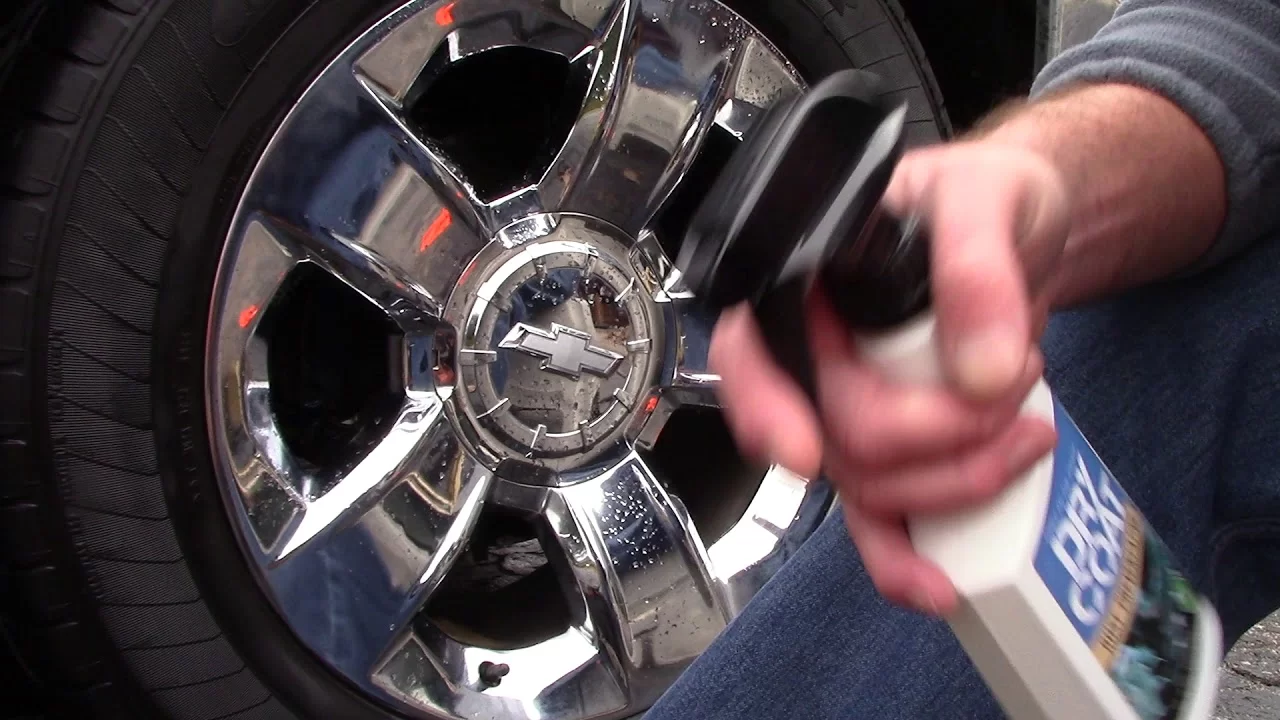
Park on a flat surface and apply the parking brake. Spray the brake cleaner generously on the rotor through the wheel spokes, being mindful of overspray on your wheel’s finish, and let it sit for a few minutes to break down grime and loosen surface rust. Then use a soft-bristled brush to scrub the rotor gently through the spokes, focusing on the main contact surface, and wipe it down with a clean microfiber cloth.
Step 3: Fine-Grit Sandpaper for Stubborn Rust (Use With Caution)
If brake cleaner alone doesn’t fully clear stubborn or embedded rust, fine-grit sandpaper (220-grit or finer) can help, but it’s worth knowing the limitations of doing this without removing the wheel. Working through the spokes gives you limited visibility and access, which makes it harder to sand evenly across the whole rotor surface than it would be with the wheel off. Uneven sanding can create an inconsistent surface that leads to pedal pulsation or vibration when braking later on.
If you proceed, use light pressure in a circular motion, focusing only on the rusted areas rather than the whole rotor, and stop as soon as the rust is gone; the goal is removing rust, not removing metal. Finish by cleaning the area again with brake cleaner to remove any grit or dust the sanding created. If the rust is severe, deeply pitted, or covers most of the rotor, this is a sign to move on to Step 4 rather than keep sanding.
Step 4: When to Let a Mechanic Handle It
If you don’t feel comfortable doing this yourself, or your rotors show severe rust, pitting, uneven wear, or scoring, it’s best to take your car to a professional. A mechanic can resurface or replace the rotors safely, and check for other brake issues while they’re at it, including spongy brakes, which can point to a completely different underlying problem than surface rust.
Conclusion
Keeping your brake rotors clean supports safe, consistent braking, and for light surface rust, you often don’t need to do anything more than drive normally for it to clear on its own. For anything more stubborn, brake cleaner and a soft brush handle most cases safely through the wheel spokes, with fine-grit sandpaper as a careful last resort and a mechanic’s help for anything more serious.
With these steps, and the right safety gear, you can keep your car’s braking system clean and performing the way it should.
Frequently Asked Questions
Does surface rust on brake rotors need to be cleaned right away?
Not usually. Light surface rust is common after rain or overnight parking and typically clears on its own within a few normal stops as the pads scrape it off. It’s only a concern if it persists, causes noise, or comes with visible pitting.
Is sandpaper safe to use on brake rotors?
It can be, for stubborn rust, if you use fine grit, light pressure, and a circular motion. But doing it through the wheel spokes without removing the wheel makes it harder to sand evenly, which can lead to vibration when braking if done too aggressively.
What safety gear do I need to clean brake rotors?
Gloves, safety glasses, and a dust mask at minimum, since brake dust and cleaner fumes shouldn’t be inhaled. Work in a well-ventilated area away from open flames, since brake cleaner is flammable.
When should I stop trying to clean rotors myself and see a mechanic?
If the rust is severe, deeply pitted, covers most of the rotor, or you notice vibration, pulsation, or spongy brakes, it’s time for a professional inspection rather than continued DIY cleaning.
Can I clean brake rotors without removing the wheel at all?
Yes, for most routine cleaning you can reach the rotor through the wheel spokes with brake cleaner and a soft brush. Removing the wheel gives better access and more even results, especially for sanding, but isn’t strictly necessary for light maintenance.