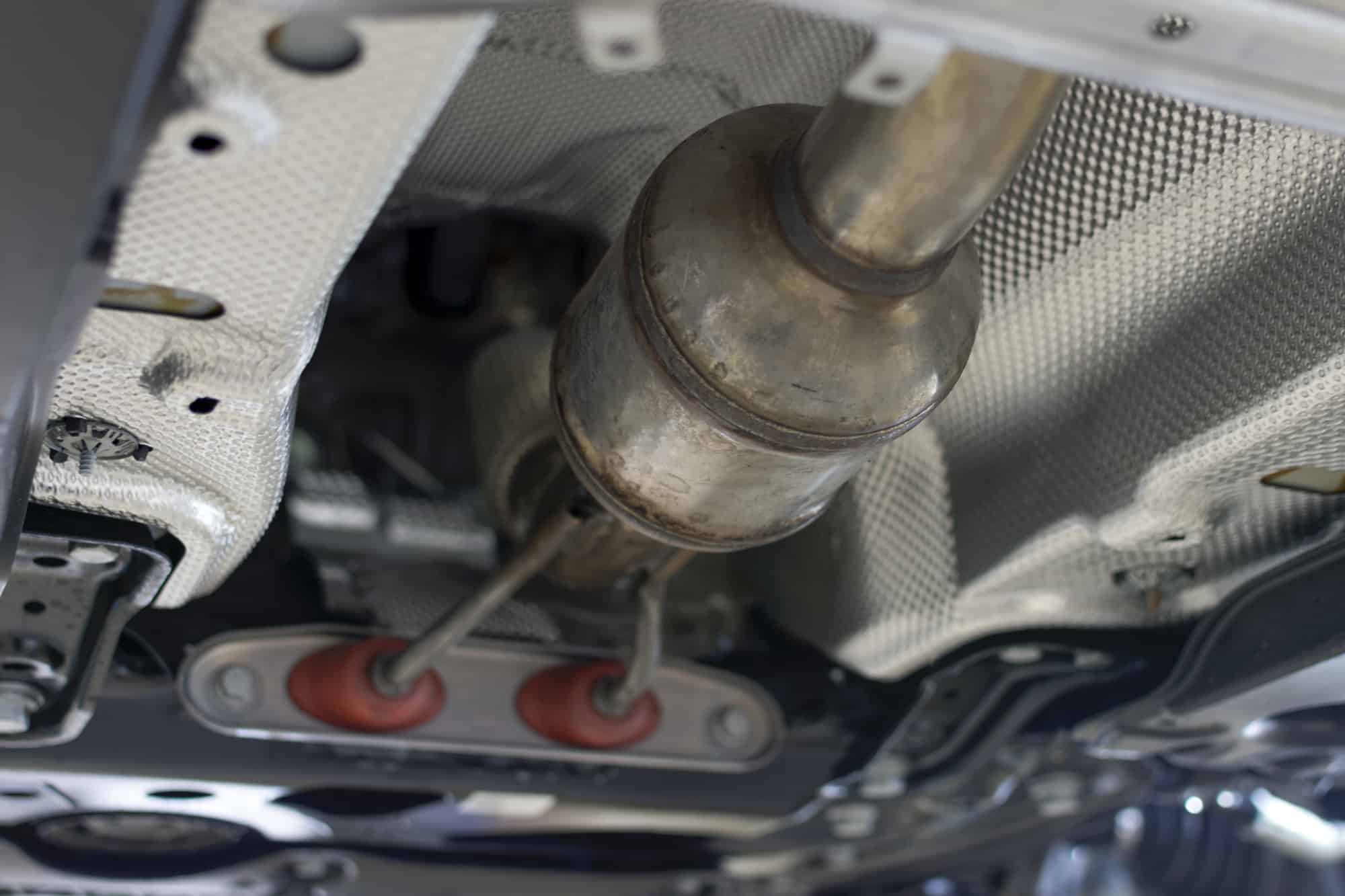
The catalytic converter is an essential component of your car’s exhaust system. It helps reduce harmful emissions by converting toxic gases into less harmful ones. Despite its critical role, you might wonder: can you drive without a catalytic converter if it’s faulty or missing, and is it even legal to do so?
Well, in this post, we’ll explore these questions and provide you with vital information about catalytic converters.
Is It Legal to Drive Without a Catalytic Converter?
Firstly, it’s not legal in most countries to drive without a catalytic converter. These regulations were enacted to protect the environment and prevent air pollution. The U.S Environmental Protection Agency (EPA), for example, requires all passenger vehicles manufactured after 1975 to have a catalytic converter installed. Similarly, in the UK, it’s illegal to drive without a working catalytic converter. Some states in the US and countries abroad have a required emissions test, and if your car doesn’t have a catalytic converter, it may not pass.
Decreased Engine Performance
Secondly, besides legality issues, driving without a catalytic converter can lead to a host of problems. Your car’s engine performance may decrease if you remove the catalytic converter. The gases your engine produces during combustion can cause significant harm to your engine without a catalytic converter. The lack of a catalytic converter can cause your engine to run hotter, affecting overall resonance and performance, and it’s often paired with other signs of a bad catalytic converter. The loss of back pressure may affect the way in which your engine breathes, leading to altered timing and overall engine operation.
Will Driving Without a Catalytic Converter Void Your Warranty?
Additionally, the removal of the catalytic converter can also cause your car’s warranty to become void. Your car manufacturer may not offer coverage for repairs if they find that you’ve removed the catalytic converter. Doing this can be costly in the long run, both financially and performance-wise.
Does Driving Without a Catalytic Converter Increase Emissions?
Without a catalytic converter, the amount of emissions from your car will increase. In turn, this could also lead to air pollution, which is harmful to the environment. Toxic gases like carbon monoxide, nitrogen oxide, and hydrocarbons are emitted into the air, posing a health risk to humans and the environment. This same failure is also the most common trigger behind Engine Code P0420, which specifically flags reduced catalytic converter efficiency.
Conclusion
So, can you drive without a catalytic converter and get away with it? Legally and mechanically, no; it’s essential to ensure that your catalytic converter is in good condition and to repair or replace it if you suspect that it’s not functioning correctly. Not only do you avoid any legal hassle, but you also improve your car’s engine performance and limit emissions; a healthy exhaust system also plays into things like the exhaust note your truck makes.
Ultimately, it’s better to play your part in reducing air pollution and contributing to creating a cleaner, healthier environment.
Frequently Asked Questions
Will my check engine light come on if I remove the catalytic converter?
Yes, almost always. Removing it disrupts the oxygen sensor readings the engine computer relies on, which typically triggers a check engine light and a related fault code like P0420.
Can a missing catalytic converter damage my engine?
It won’t directly damage the engine, but it can cause it to run louder, hotter, and less efficiently, and in some vehicles it can throw off the air-fuel ratio calculations over time.
How much does it cost to replace a catalytic converter?
Costs vary widely by vehicle, typically ranging from $500 to $2,500 or more, since catalytic converters contain precious metals like platinum, palladium, and rhodium that affect the price.
Why do thieves steal catalytic converters?
They’re targeted for the precious metals inside them, which can be sold for scrap value, and they’re often easy to remove quickly from underneath a parked vehicle.