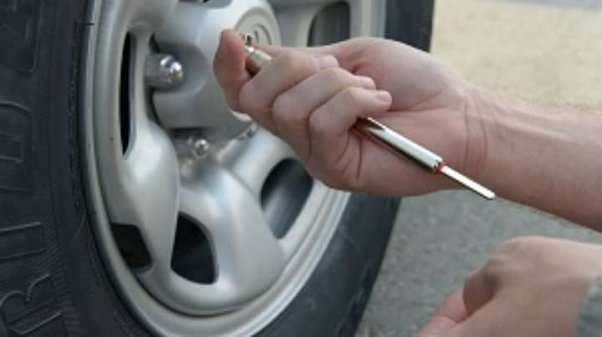
If you’re planning to replace your tires or need to adjust the air pressure, knowing how to let air out of a tire is essential. It may seem like a straightforward process, but there are a few things to keep in mind to avoid damage to your tires, uneven wear like tire feathering, or injury to yourself.
In this post, we’ll guide you through the process of letting air out of a tire.
1. Tools Needed to Let Air Out of a Tire
Before you get started, it’s essential to have the right tools. You will need a tire pressure gauge, pliers, and a valve stem remover. These items are readily available at most auto parts stores.
2. How to Remove the Valve Cap Before Letting Air Out
The valve cap protects the valve stem from debris and dirt. It’s the small cap that screws onto the valve stem of your tire. Use pliers to remove it by turning it counterclockwise.
3. Attach the Valve Stem Remover
The valve stem remover is used to loosen the valve stem to release air. To attach it, place the remover over the valve stem and twist it clockwise. Once you feel it has a secure fit, give it a slight push to make sure the valve stem is open and free of any restrictions.
4. Check Tire Pressure Before Letting Air Out
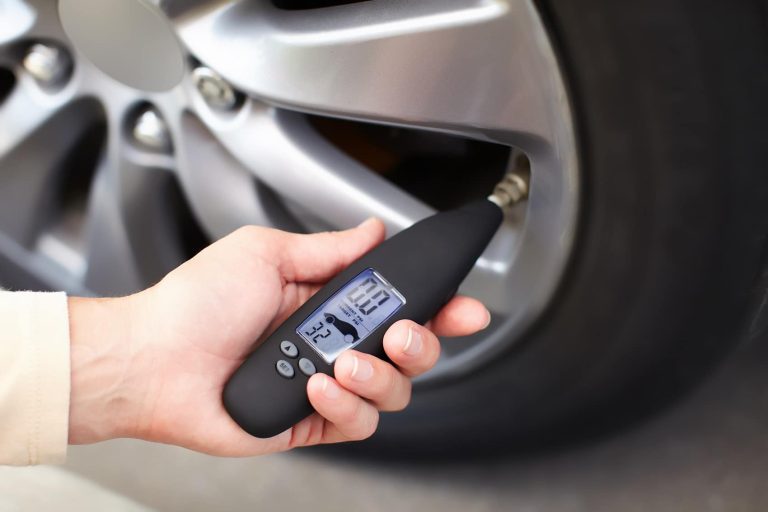
Using a tire pressure gauge, measure the current pressure in the tire. This step is important because it helps you to determine how much air needs to be released.
5. How to Let Air Out of a Tire Properly
With the valve stem remover secured, lean over and press down gently on the valve stem to start the release process. You’ll hear a hissing sound as the air is released. Let the air out until you reach the desired pressure or as instructed. It should be done slowly and carefully so that there is no whistling noise or sudden release of air.
6. Check the Pressure Again
Once you have let enough air out, measure the air pressure again using the tire pressure gauge. Correct pressure also matters for accurate readings if your car has a TPMS, so it’s worth knowing how to identify a bad tire sensor. You should do this while the valve stem remover is still attached. Repeat the process of letting air out until you reach the desired air pressure level.
Conclusion
Now that you know how to let air out of a tire, it’s a simple task that can easily be done with the right tools and careful attention. It’s important to measure the tire pressure correctly so that you can release the appropriate amount of air, and it’s worth pairing this with rotating your tires regularly. If you want to avoid damaging your tire, remember to release the air slowly and always measure the tire pressure regularly. If you want to avoid damaging your tire, remember to release the air slowly and always measure the tire pressure regularly.
By following these steps, you’ll be able to release air quickly and effectively, allowing you to maintain the perfect air pressure in your tires. And if you ever end up with a puncture instead, it helps to know how long a car can sit on a flat tire before it becomes a bigger problem.
Frequently Asked Questions
Why would I need to let air out of a tire?
Common reasons include correcting overinflation, adjusting pressure for off-road traction, or releasing air before removing a tire from the rim for repair or replacement.
Can I use a regular pen or key instead of a valve stem remover?
You can press the small pin inside the valve stem with a pen tip or similar tool in a pinch, but a proper valve stem remover or a pressure gauge with a bleed valve gives you far more control over how much air escapes.
How much air should I let out of my tire?
It depends on your goal, but for on-road driving, always release air until you reach your vehicle’s recommended PSI listed on the door jamb sticker, not an arbitrary amount.
Is it bad to let too much air out of a tire?
Yes, an underinflated tire wears unevenly, overheats more easily, and reduces fuel economy and handling, so always check the pressure with a gauge rather than guessing.