Owning and maintaining a vehicle can be both rewarding and confusing at the same time. There are a lot of parts and fluids that make a car run smoothly. Two of these fluids that often get mixed up are coolant and antifreeze. They both work to regulate the temperature of your engine, so is coolant the same as antifreeze, or are they actually different?
In this post, we’ll take a closer look at coolant and antifreeze to help clear up any confusion.
Is Coolant the Same as Antifreeze? Understanding How It Works
Coolant, also known as antifreeze, is a liquid substance that is added to your car’s engine coolant system. It helps regulate the temperature of your engine by preventing it from overheating, which is exactly what to check first if your car overheats. Coolant is a mixture of water and chemicals that are specifically designed to withstand extreme temperatures without evaporating or freezing. It also contains rust and corrosion inhibitors that help protect the engine from rust and corrosion.
Antifreeze is essentially the same thing as coolant. It’s a chemical mixture that is added to your engine to help regulate its temperature. The only real difference between the two is that antifreeze is designed to prevent the engine from freezing in cold temperatures, while coolant is not. Antifreeze does this by lowering the freezing point of the water in the engine so that it doesn’t freeze in cold weather.
It’s important to note that antifreeze, or coolant, is not a “one size fits all” fluid. Different engines require different types of antifreeze. There are two main types of antifreeze: organic acid technology (OAT) and inorganic acid technology (IAT). It’s important to check your car’s owner manual to see which type of antifreeze is recommended for your engine. Using the wrong type of antifreeze can cause damage to your engine and decrease its lifespan.
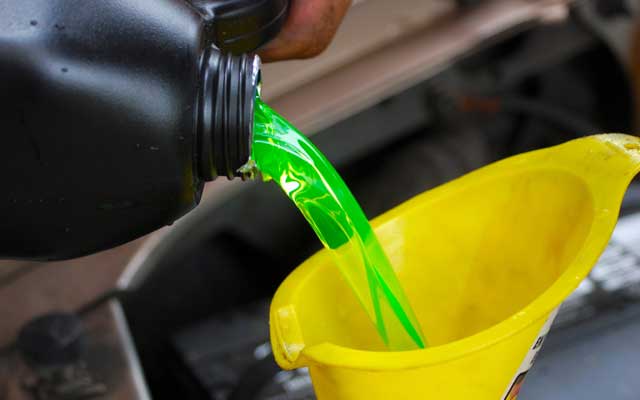
When adding thermal fluid to your engine, it’s important to mix it with water. The amount of water you add will depend on the concentration of the coolant or antifreeze. The correct mix of coolant and water will help keep your engine running smoothly and prevent it from overheating or freezing. It’s also important to check your coolant levels regularly, the same way you’d stay on top of checking your transmission fluid, to ensure that you have enough fluid in the engine. Low coolant levels can cause your engine to overheat and potentially cause damage.
Conclusion
While there may be some confusion surrounding coolant and antifreeze, they are essentially the same thing. So is coolant the same as antifreeze in every practical sense? Yes, with the only real difference being that antifreeze is designed to prevent freezing. It’s important to choose the right type of antifreeze for your engine and to always mix it with water before use; coolant can also affect other systems, like whether coolant affects your air conditioning. Regularly checking your coolant levels can help prevent engine damage and keep your car running smoothly.
By understanding the difference between coolant and antifreeze, and keeping it on your car maintenance checklist, you can make better decisions and take proper care of your vehicle.
Frequently Asked Questions
Can I mix different colors of coolant?
No, you shouldn’t mix coolant colors or types. Different formulations use different chemistries, and mixing them can cause a reaction that reduces their effectiveness or even damages your cooling system.
How often should I flush and replace my coolant?
Most manufacturers recommend a coolant flush every 30,000 to 60,000 miles, though this varies by vehicle and coolant type, so check your owner’s manual for the exact interval.
Can I use water instead of coolant in an emergency?
In a true emergency, plain water can get you to a shop, but it lacks the freeze protection, boiling point elevation, and corrosion inhibitors coolant provides, so replace it with proper coolant as soon as possible.
Is antifreeze toxic to pets?
Yes, traditional ethylene glycol antifreeze is highly toxic and has a sweet taste that attracts pets, so always clean up spills immediately and consider a propylene glycol-based formula if pets are a concern.