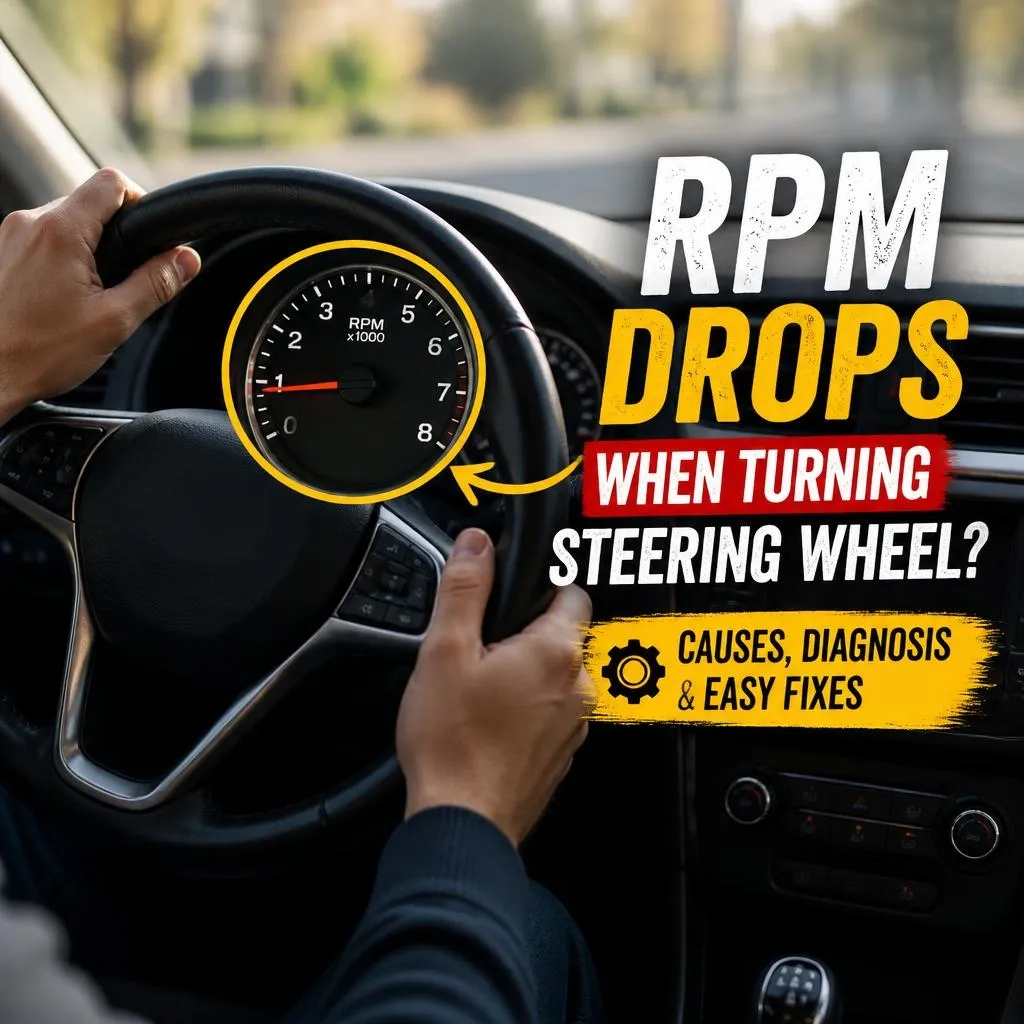
If the RPM drops when turning steering wheel at idle, the cause is usually the power steering system adding load the engine can’t handle. On cars with hydraulic power steering, the pump is driven by the engine belt, and turning the wheel, especially to full lock, makes the pump work much harder. A healthy engine raises idle to compensate. When the RPM dips sharply, stumbles, or the engine stalls, something is either overloading the pump or keeping the engine from responding.
Why Steering Affects Engine Speed
Hydraulic power steering pumps build pressure when you turn the wheel, and that pressure peaks when you hold the wheel against its stop. Many vehicles have a power steering pressure switch that tells the engine computer to bump idle speed during heavy steering. Cars with electric power steering don’t have a belt-driven pump, but the steering motor draws heavy current, so the alternator works harder and the engine still sees extra load. A small RPM dip is normal; a big drop or stall isn’t.
Common Causes
1. Faulty Power Steering Pressure Switch
If this switch fails or its connector comes loose, the computer never gets the signal to raise idle. The engine bogs every time you turn the wheel at low speed, such as when parking. It’s an inexpensive part on most vehicles and a common fix.
2. Low Power Steering Fluid
Low fluid makes the pump work harder and can introduce air, leading to whining, heavy steering, and more engine load. Check the reservoir level and look for leaks around hoses, the pump, and the steering rack. Leaks get worse over time, so don’t just keep topping it off.
3. Failing Power Steering Pump
A worn pump can drag hard, whine loudly, or bind when turning. If the RPM drop comes with a groan or whine that gets louder as you turn, the pump may be on its way out.
4. Dirty Throttle Body or Idle Control Problem
Even with a good pressure switch, the engine can’t raise idle properly if the throttle body is coated in carbon or the idle air control valve is sticking. This usually also causes dips when the AC turns on, similar to what we describe in why a car jerks when accelerating.
5. Slipping Belt or Weak Tensioner
A worn serpentine belt can slip under steering load, causing squealing and erratic RPM. Replacing the belt and checking the tensioner usually fixes it.
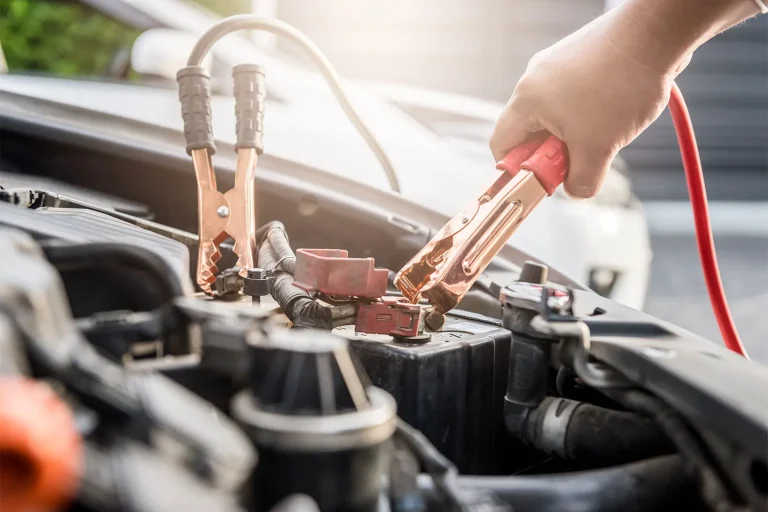
6. Weak Alternator or Battery (Electric Power Steering)
On cars with electric power steering, the steering motor can pull a lot of current during parking maneuvers. A weak alternator or battery can let voltage sag, upsetting idle and even dimming the lights. Our guide on how to tell if an alternator is bad covers simple tests.
Don’t Hold the Wheel at Full Lock
Holding the steering wheel against its stop pushes hydraulic pressure to the maximum and adds the most load. Doing it for more than a few seconds can overheat the fluid and wear the pump. Turning just short of full lock reduces strain on both the pump and the engine.
Related Steering Problems
If you also feel looseness, clunking, or wandering, the issue may be in the steering linkage rather than the pump. See how long you can drive with a bad tie rod end. And if the wheel vibrates, our guide on why your steering wheel is shaking can help narrow it down.
Conclusion
When the RPM drops when turning steering wheel, check the simple things first: power steering fluid level, the belt, and the power steering pressure switch. If those are fine, clean the throttle body and have the pump inspected. On electric power steering cars, test the battery and alternator. A small dip is normal, but stalling or a big drop means it’s time for a repair.
Frequently Asked Questions
Is it normal for RPM to drop slightly when turning the wheel?
Yes, a small dip at idle is normal, especially on hydraulic power steering systems. The engine should recover quickly and never stall.
Can low power steering fluid make my car stall?
It can contribute. Low fluid makes the pump work harder and adds load, which can stall an engine that already has idle problems.
What does a power steering pressure switch do?
It tells the engine computer when steering pressure is high so the computer can raise idle speed. If it fails, the engine may bog or stall when you turn the wheel at low speed.
Does electric power steering affect engine RPM?
Indirectly. The electric steering motor draws current, which increases alternator load. A weak alternator or battery can make idle dip during steering.