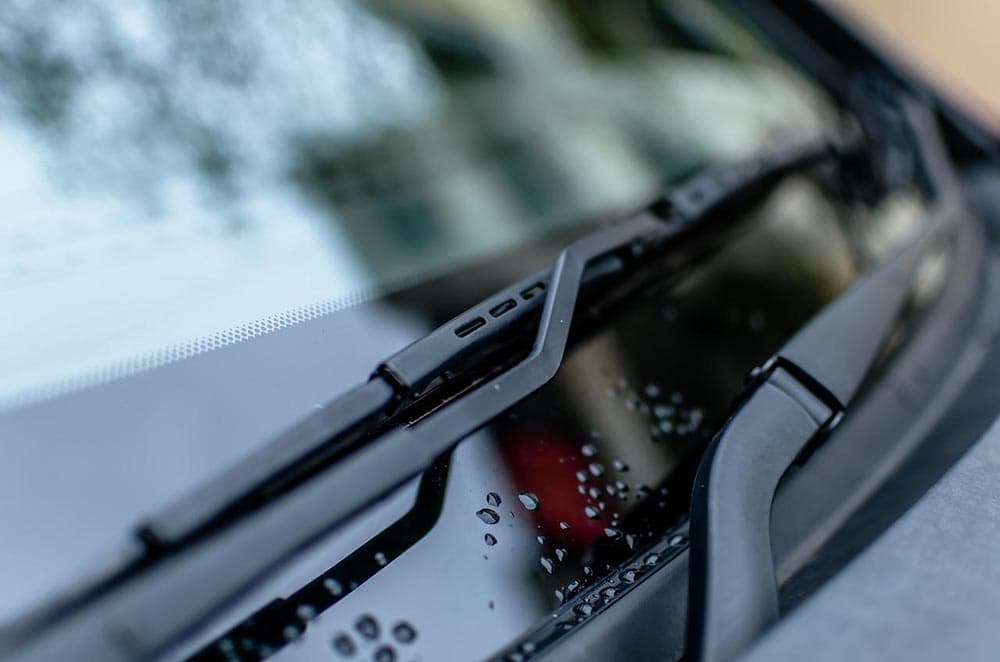
Imagine driving in the rain, and your wiper blades start skipping across your windshield. You’re trying your best to see, but the blur is making it difficult. This common problem raises the question: why do my windshield wipers skip? It can be frustrating, annoying, and at times dangerous because it impedes visibility.
But what is causing the skipping? Why is it happening? In this post, we will explore the causes of windshield wiper skipping and possible solutions.
1. Worn-Out Wiper Blades
The most common cause of windshield wiper skipping is worn-out wiper blades. Over time, wiper blades get exposed to various weather conditions, and the rubber loses its flexibility and becomes stiff. When stiff blades pass over a wet windshield, it results in chattering and skipping. The fix is straightforward: replace the wiper blades. Purchase high-quality blades that fit your car’s make and model, and follow the manufacturer’s instructions, or see our step-by-step guide to replacing windshield wipers if you’d rather do it yourself.
2. A Dirty Windshield
Another reason your windshield wipers may skip is a dirty windshield. Dirt and debris, such as bird droppings, grime, and dust, can accumulate on the windshield and cause a buildup. When the wiper blades pass over that buildup, it causes skipping, chattering, and can even damage the blades. Running dry wipers with little or no washer fluid on the glass makes this worse, since the blades are dragging against friction rather than gliding. Keep your windshield clean with washer fluid, top off your fluid reservoir regularly, and check your car wash routine if grime tends to build up between washes.
3. Improperly Fitted Wiper Blades
Sometimes the problem isn’t the wiper blades themselves, but how they’re installed. If the wiper blades aren’t correctly fitted, they may not make proper contact with the windshield, causing skipping. Make sure the blades are installed as per the manufacturer’s instructions. If they’re attached properly and still skip, it’s likely time for new blades.
4. Bent Wiper Arms
Bent wiper arms are another common cause of skipping. If a wiper arm is bent, it can cause the blade to shift and lose even contact with the windshield, resulting in skipping. The fix is to replace the bent arm (and usually the blade along with it) with parts that fit your vehicle, following the manufacturer’s installation guidelines.
5. An Old or Damaged Windshield
If your windshield is old, stained, or scratched, that alone can cause wiper skipping. Over time, exposure to the elements can lead to scratches and pitting in the glass. These blemishes disrupt smooth blade contact and cause skipping and chatter. In this case, the fix is replacing the windshield itself, using high-quality glass that meets your manufacturer’s specifications.
6. Wax or Rain-Repellent Product Buildup
If you’ve recently waxed your car or applied a rain-repellent coating to the windshield, a heavy or uneven layer of product can actually interfere with the wiper blade’s contact with the glass. Instead of gliding smoothly, the blade catches on the coating and skips or chatters. This usually resolves on its own as the product wears down, but a thorough glass cleaning with a dedicated automotive glass cleaner can speed things up.
7. Ice, Frost, or Cold-Weather Buildup
In cold weather, a thin layer of ice or frost on the windshield or along the blade’s edge can prevent even contact, causing the wiper to skip or judder across the glass. Running wipers over a frozen windshield can also flatten or crack the rubber. Always let the windshield fully thaw (using your defroster or a scraper) before running the wipers, and consider winter-rated blades if you regularly deal with snow and ice.
Conclusion
Windshield wiper skipping is a common issue that can be caused by several factors. Understanding the causes can help you resolve the issue quickly and efficiently. In some cases, a simple fix, like replacing worn-out blades or keeping your windshield clean, solves the problem. In others, like replacing a damaged windshield, it may be more involved.
Regardless of the cause, taking care of this issue matters for your safety while driving. For more on staying ahead of small issues like this before they become bigger ones, check our car maintenance checklist.
Keep your windshield wipers working correctly so you always have clear visibility, regardless of the weather.
Frequently Asked Questions
Heavy rain can expose gaps in wiper contact more noticeably, but the underlying cause, like worn blades, bent arms, or a pitted windshield, is usually present regardless of rain intensity. It’s just more obvious under a heavier flow of water.
Yes. Ice or frost on the blade edge or windshield prevents even contact and is a common cause of skipping in winter. Never force frozen wipers; thaw the windshield first to avoid damaging the blades or motor.
It often helps, but not always. If the blades themselves are worn, bent, or improperly seated, cleaning the glass alone won’t solve the skipping. You’ll need to address the blade or arm as well.
Most manufacturers recommend replacing wiper blades every 6 to 12 months, or sooner if you notice streaking, chattering, or skipping.
Yes. A heavy or uneven layer of wax, sealant, or rain-repellent coating on the glass can prevent the blade from gliding smoothly, leading to chatter or skipping until it wears off or is buffed out.