Trailers are an essential part of the transportation industry, used to transport goods and vehicles from one point to another. Just like regular vehicles, trailers have wheels that need to be in top condition for safe and efficient use. A common question among trailer owners is: do trailer tires need to be balanced?
In this post, we will explore the importance of balancing trailer tires and answer the question, “Do trailer tires need to be balanced?”
Why Trailer Tires Need Balancing for Heavy Loads and Long Trips
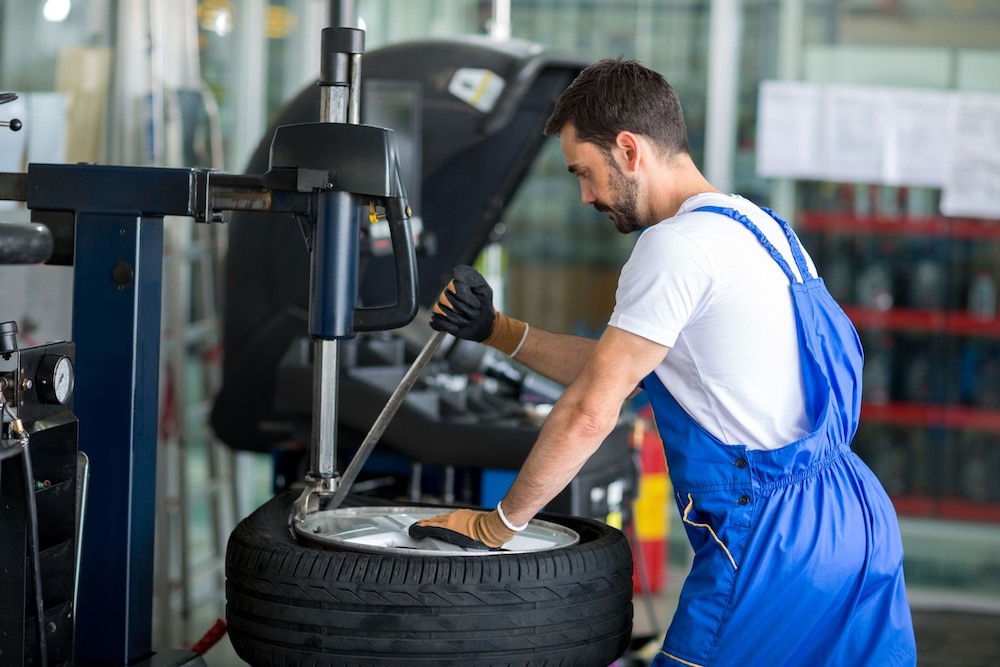
Trailer tires are designed to carry heavy loads over long distances. However, they can become unbalanced due to the trailer’s weight distribution, road surface irregularities, and other factors. An unbalanced tire can cause excessive wear on the tire and suspension components, leading to reduced tire life and significant damage to the trailer; our guide on how long tires last covers what else shortens tread life. Balancing the tire helps to distribute the tire and wheel weight evenly, reducing vibration and providing a smooth ride. This provides consistent handling, enhances tire life, reduces fuel consumption, and increases safety on the road.
How Balanced Trailer Tires Improve Safety and Control
Another important reason why trailer tires need to be balanced is safety. An unbalanced tire can create a bumpy ride experience, making it hard to control the trailer. This can lead to swaying and poor handling, which can increase the risk of an accident, especially when you’re towing close to your vehicle’s limit, so it helps to know your setup, like whether your F150 has the Max Tow Package. With balanced tires, the trailer is stable, and you can drive with confidence, knowing that the chances of an accident are minimal.
Overall Performance
Balancing trailer tires is also important for the overall performance of the trailer. It increases the trailer’s fuel efficiency since the engine doesn’t have to work as hard to compensate for the unbalanced tires. Additionally, balanced tires improve the traction of the trailer, providing a better grip on the road when turning or stopping. This leads to better vehicle control and reduced wear and tear on the tires.
Protect Your Tire Investment
Lastly, balancing helps you get full value from your trailer tires. Uneven wear caused by vibration can shorten tread life well before the tire’s expected mileage, and warranty claims for irregular wear may be harder to make if the tires weren’t properly mounted and maintained. Check your tire manufacturer’s warranty terms to see exactly what maintenance they expect.
Conclusion
Balancing your trailer tires is a crucial aspect of trailer safety and maintenance. It helps reduce tire wear, improves handling, increases fuel efficiency, and enhances trailer performance. So, do trailer tires need to be balanced? The short answer is yes.
So, if you haven’t balanced your trailer tires, make a point of doing so, and keep them at the correct pressure too; our guide on how to let air out of a tire helps if they’re overinflated. Enjoy a safe, smooth, and better-performing trailer.
Frequently Asked Questions
How do I know if my trailer tires are out of balance?
Common signs include vibration or bouncing you can feel through the tow vehicle, a trailer that hops or sways at highway speed, and uneven or cupped wear patterns on the tread.
Do small utility trailer tires need balancing?
Small trailers driven short distances at low speeds may be fine without balancing, but any trailer regularly towed at highway speeds benefits from balanced tires for smoother towing and longer tread life.
How often should trailer tires be balanced?
Balance them whenever new tires are mounted, after a tire repair, and any time you notice vibration or uneven wear while towing.
How much does it cost to balance trailer tires?
Balancing typically costs around $10 to $25 per tire at most tire shops, and it’s often included when new tires are mounted.