
If you’re a car enthusiast who loves the sound of a loud exhaust, you’re in the right place. Below are five of the best ways to make your car louder and give it a more powerful, aggressive sound — along with the pros, cons, and legal trade-offs of each, so you can make an informed choice.
Whether you drive a sports car or a regular sedan, these methods each affect sound differently, and some carry real legal or mechanical risk. We’ll walk through each one, then cover what you need to know before modifying your exhaust.
1. Upgrade the Exhaust System
Upgrading your exhaust system is the most common way to make your car louder. The exhaust system controls how exhaust gases flow from the engine to the outside air. A performance exhaust increases airflow in and out of the engine, letting it breathe more easily and produce a more aggressive sound. Performance exhaust systems are typically lightweight, corrosion-resistant, and long-lasting, and come in a few different types, including cat-back, axle-back, and headers.
Pros: Performance exhaust systems are easy to install, and they come in different styles and designs.
Cons: Upgraded exhaust systems are expensive, and some may produce an annoying drone noise.
2. Install a Cold Air Intake System
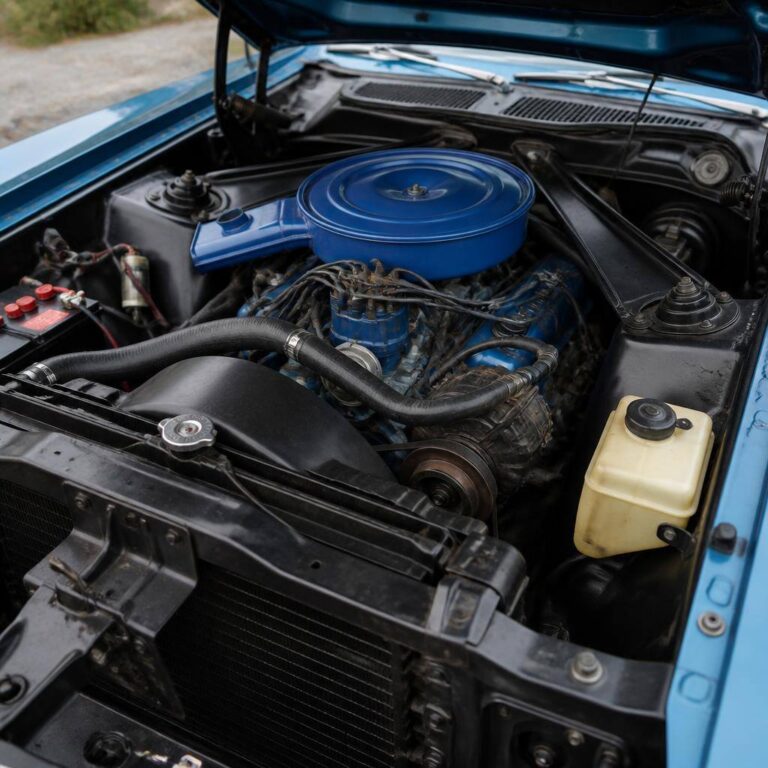
A cold air intake pulls cooler air from outside the engine bay to replace the warmer air inside it. Cooler air is denser, which allows for more airflow into the engine, can increase horsepower, and creates a more aggressive intake sound. Cold air intake systems are also typically reusable, which keeps maintenance costs down over time.
Pros: A cold air intake system is cheap, easy to install, and produces a more aggressive sound.
Cons: Cold air intake systems can negatively affect gas mileage.
3. Get a Performance Chip
A performance chip is an electronic device that modifies your car’s engine control unit to increase power output. It can adjust fuel delivery, air-to-fuel ratio, and ignition timing, resulting in a more powerful engine and a louder sound. A performance chip can also improve acceleration, handling, and in some cases fuel efficiency. Chips are available for most cars and can usually be installed quickly by a mechanic.
Pros: A performance chip can increase horsepower and produce a louder sound.
Cons: Performance chips void the manufacturer’s warranty, and if not installed correctly, can cause damage to the engine.
4. Remove the Muffler (or Try a Resonator Delete)
Removing the muffler entirely is one of the cheapest and most dramatic ways to make your car louder, but it’s also the most extreme. The muffler is designed to reduce engine noise, so removing it lets exhaust flow, and sound, out freely. Keep in mind this is illegal in many states and can easily draw police attention.
If you want a middle ground, a resonator delete is worth considering instead. The resonator fine-tunes exhaust tone rather than reducing volume the way the muffler does, so removing just the resonator (and keeping the muffler) usually gives a noticeably louder, raspier sound without going full straight-pipe. It’s typically cheaper and less extreme than a full muffler delete, though it still isn’t legal everywhere, so it’s worth checking local rules either way.
Pros: Removing the muffler is cheap and can make your car sound aggressive.
Cons: The sound produced may be too loud, may violate local noise laws, and may negatively impact your driving experience.
5. Add a Sound Amplifier
A sound amplifier is an electronic device that can amplify your car’s existing sound system. It can simulate engine sounds and adjust the intensity of the sound. Sound amplifiers come in different shapes and sizes, and some can be controlled by a smartphone app. It’s the easiest way to make your car sound louder without modifying the engine or exhaust system.
Pros: A sound amplifier is easy to install, can amplify your car’s existing sound system, and produce a more aggressive sound.
Cons: A sound amplifier can be expensive, and it may not produce a natural sound.
Know the Legal and Practical Risks Before You Modify
Before you commit to any of these, it’s worth understanding what you’re actually risking beyond just a louder sound.
In the U.S., federal law prohibits removing or disabling emissions equipment, including catalytic converters, on vehicles used on public roads, regardless of what your state allows. On top of that, most states and many cities have their own noise ordinances with specific decibel limits for vehicles, and some states test for exhaust noise or a missing muffler as part of routine safety or emissions inspections. If you’re not sure what’s allowed where you live, it’s worth checking your state’s vehicle code before you modify anything.
Tampering with your exhaust or catalytic converter can also trigger a check engine light. A P0420 code, which points to a catalytic converter issue, is a common result of exhaust modifications that affect backpressure or emissions flow. If you’re noticing other signs of a failing catalytic converter, it’s worth ruling that out before assuming a modification is to blame.
Finally, remember that some of these mods, particularly performance chips and catalytic converter or muffler removal, can affect your manufacturer’s warranty, and it may not be worth the trade-off depending on how new your car is.
Conclusion
These five ways to make your car louder — upgrading the exhaust, adding a cold air intake, installing a performance chip, modifying or removing the muffler, and adding a sound amplifier — each offer a different balance of cost, effort, and sound. The right one for you depends on your budget, how dramatic a change you want, and how much legal and mechanical risk you’re willing to take on.
Whatever you choose, it’s worth reading up on your local noise and emissions laws first, and keeping up with regular maintenance afterward so your new setup keeps running, and sounding, the way you want.
Frequently Asked Questions
It depends on your state and local ordinances. Most areas have decibel limits for vehicle noise, and completely removing your muffler or catalytic converter is illegal under federal emissions law in the U.S. regardless of state. Check your local noise ordinance and vehicle code before modifying your exhaust.
In many states, yes. States with emissions or safety inspections often test for excessive noise, a tampered catalytic converter, or a missing muffler, and any of these can cause a failed inspection.
A cold air intake or an aftermarket muffler or resonator swap is usually cheaper than a full cat-back exhaust system, and both can noticeably change your car’s sound without a major investment.
Not necessarily, if done correctly. A well-designed performance exhaust or intake can actually improve airflow and performance. But removing components like the muffler or catalytic converter entirely can throw off your engine’s tuning and trigger check engine lights.
It can. Modifications like performance chips or aftermarket exhaust systems may void portions of your manufacturer’s warranty, especially if a dealer can tie a later problem back to the modification.