
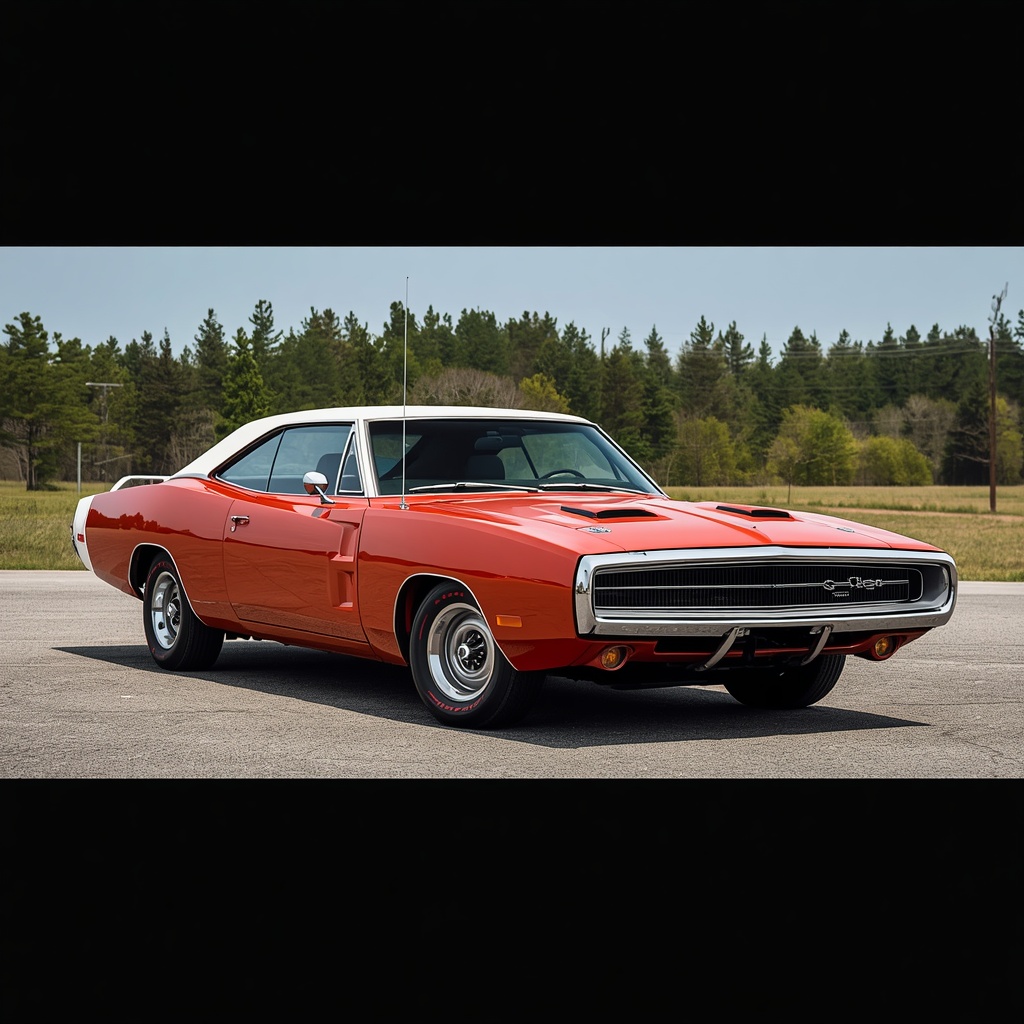
Quick Answer: The torque spec lug nuts 1970 Dodge Charger owners should follow is 65 ft-lbs, per the factory service manual, for the standard 1/2″-20 wheel studs used on steel disc wheels. That said, many Mopar owners and mechanics today torque these higher, commonly 85-100 ft-lbs, due to decades of thread wear and the condition of studs on a 50-plus-year-old car, so it’s worth reading both numbers before you decide.
Torque Spec Lug Nuts 1970 Dodge Charger: By Stud Size
| Stud Size | Application | Factory Service Manual Torque |
|---|---|---|
| 1/2″-20 | Standard B-body wheel studs, including the Charger | 65 ft-lbs |
| 7/16″-20 | Some smaller-stud Mopar applications (not the standard Charger spec) | 55 ft-lbs |
Why Many Owners Torque Higher Than the Factory Spec
This is the part worth being upfront about: 65 ft-lbs was the correct factory number when these cars were new, but it’s genuinely common practice among Mopar owners, restoration shops, and tire installers today to run 1/2″-20 studs closer to 85-100 ft-lbs. The reasoning varies: decades-old studs and nuts can have worn or slightly corroded threads that reduce actual clamping force at a given torque reading, some owners have swapped to aftermarket wheels with different seating surfaces, and 65 ft-lbs is on the low end for a 1/2″-20 fastener by modern standards generally. If you’re unsure whether your wheels are seated correctly in the first place, it’s worth reading about why a steering wheel can shake, since loose or unevenly torqued lug nuts are a common contributor. There isn’t a single universally agreed “correct” modern number, so if you’re unsure, it’s worth asking a shop familiar with classic Mopars to inspect your specific studs and wheels rather than assuming either number is automatically right for your car.
How to Torque Them Correctly
Whichever torque spec lug nuts 1970 Dodge Charger owners land on, the process matters as much as the figure, and a properly calibrated torque wrench is essential for getting there. Hand-tighten the lug nuts first in a star (crisscross) pattern, not in a circle, to seat the wheel evenly. Then torque them in the same star pattern to your target value, and never apply oil, grease, or anti-seize to the threads unless a manufacturer specifically calls for it, since lubrication changes how much actual clamping force a given torque reading produces. After driving 50 to 100 miles on newly installed or reinstalled wheels, re-check the torque, since wheels can settle slightly against the hub, and a wheel that’s worked loose is one of several possible causes if you later notice your car shaking while driving.
A Few Real-World Scenarios
- Running original steel wheels and original studs in good condition? The factory 65 ft-lbs spec is a reasonable, documented starting point.
- Studs and nuts show any wear, or you’re on aftermarket wheels? Many owners and shops lean toward 85-100 ft-lbs instead; have a shop confirm what’s appropriate for your specific hardware.
- Not sure which category you’re in? Don’t guess. A shop that works on classic Mopars regularly can inspect your studs and tell you which range makes sense.
Conclusion
The documented torque spec lug nuts 1970 Dodge Charger models call for is 65 ft-lbs for the standard 1/2″-20 wheel studs, but this is one of those specs where “factory correct” and “what a lot of experienced owners actually run today” genuinely diverge, for understandable reasons tied to age and wear rather than the original number being wrong. Given that wheel retention is a safety-critical fastener, when in doubt, have a shop familiar with these cars weigh in on your specific studs and wheels rather than relying on either number in isolation, and don’t ignore an unexplained humming noise from a wheel afterward.
Frequently Asked Questions
What is the factory lug nut torque for a 1970 Dodge Charger?
65 ft-lbs, per the era’s B-body factory service manual, for the standard 1/2″-20 wheel studs on steel disc wheels.
Why do some mechanics torque Charger lug nuts higher than 65 ft-lbs?
Decades of thread wear, corrosion, and aftermarket wheel setups can all reduce actual clamping force at the original torque figure, which is why many owners and shops now use 85 to 100 ft-lbs instead.
Is it safe to use the original 65 ft-lbs spec today?
It can be fine on original studs and wheels in good condition, but given the age of these cars, it’s worth having a shop inspect your specific hardware rather than assuming either number is automatically correct.
Should I use anti-seize or grease on the lug nut threads?
No, not unless specifically called for. Lubrication changes how much clamping force a given torque reading actually produces, which can lead to overtightening.
Why do 7/16″ studs have a different torque spec than 1/2″ studs?
Smaller-diameter studs have less thread engagement and a lower safe torque limit before the risk of stripping or breaking increases, so factory specs are lower for 7/16″-20 (55 ft-lbs) than for 1/2″-20 (65 ft-lbs).