Does the Check Engine Light Come On for an Oil Change?
If you’re driving along and notice your check engine light oil change warning illuminate on the dashboard, it doesn’t always mean something serious—but ignoring it could lead to engine damage. Understanding what triggers this light can save you time, money, and help keep your car running smoothly.
Understanding the Check Engine Light
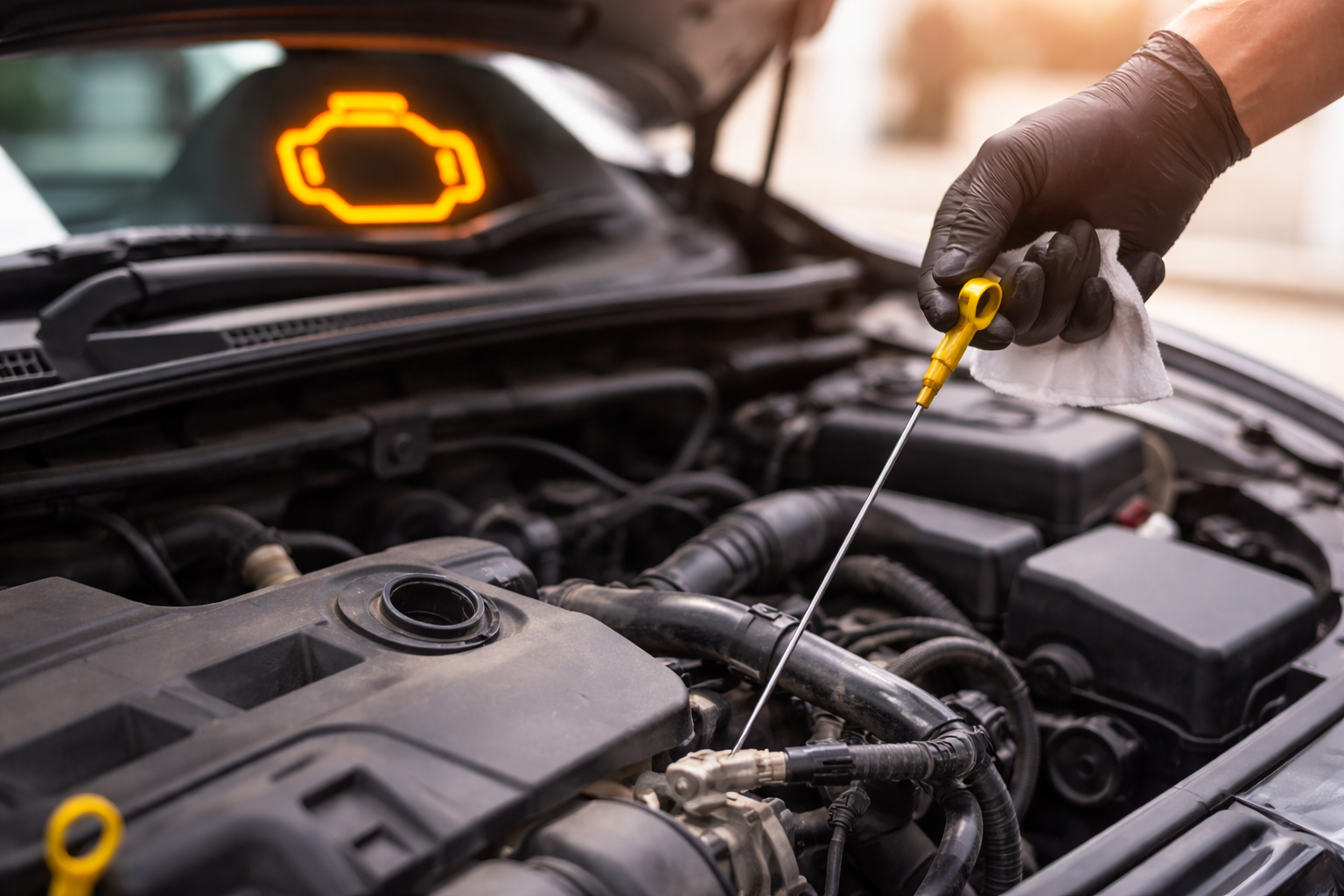
The check engine light, sometimes labeled as malfunction indicator lamp (MIL), is designed to alert drivers when the car’s computer system detects a problem. While some issues are minor, others may indicate serious engine or emissions system problems.
It’s important to note that the light does not always come on for routine maintenance, such as an oil change. Most modern vehicles have sensors that monitor engine performance, emissions, and other critical systems. The light may appear if oil is old, contaminated, or if the oil level is dangerously low, but this is less common. Typically, the oil change indicator on your dashboard is a separate light or message, specifically designed to notify you when your car needs fresh oil.
How Oil Quality Affects Engine Performance
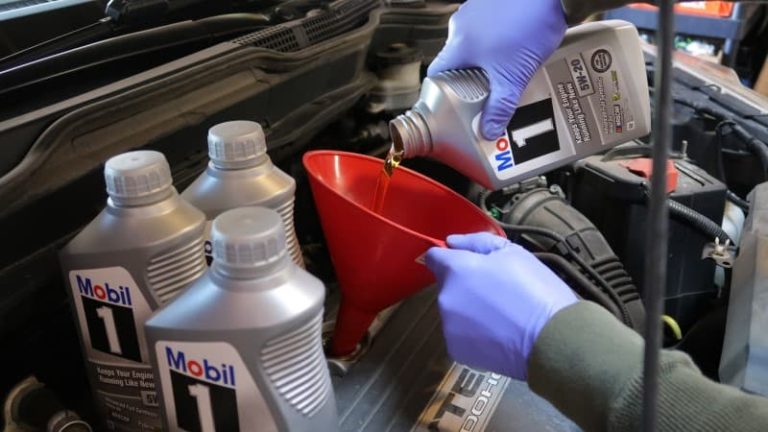
Engine oil plays a vital role in keeping your vehicle running efficiently. It lubricates the engine’s moving components, minimizes friction, and helps maintain proper temperature. Over time, however, oil breaks down and loses its ability to protect the engine effectively.
If your oil is overdue for a change, you might notice symptoms such as rough idling, decreased fuel efficiency, or unusual engine noises. These problems may eventually trigger the check engine light, especially if the oil becomes so thick that it affects sensors or engine operation.
Maintaining regular oil changes ensures that your engine operates efficiently and can help prevent the check engine light from appearing unnecessarily.
How Often Should You Change the Oil and Oil Filter in Your Vehicle?
One of the most common questions drivers ask is how often should you change the oil and oil filter in your vehicle? The answer depends on several factors, including your car model, driving habits, and the type of oil you use.
Most modern vehicles recommend an oil change every 5,000 to 7,500 miles for conventional oil, or up to 10,000 miles for synthetic oil. However, severe driving conditions—like frequent stop-and-go traffic, towing, or extreme temperatures—may require more frequent changes.
The oil filter should ideally be replaced at the same time as the oil. A clogged filter reduces oil flow, putting stress on your engine and potentially triggering the check engine light if the vehicle detects abnormal oil pressure.
Keeping track of your oil change schedule not only protects your engine but also reduces the risk of dashboard alerts caused by neglect.
Signs Your Vehicle Needs an Oil Change
Even without a specific oil change light, your car may give subtle signs that it’s time for fresh oil. Watch for the following indicators:
- Dark or dirty oil on the dipstick
- Engine noise or knocking sounds
- Decreased fuel efficiency
- Slight burning smell coming from the engine
- Dashboard alerts, including low oil or occasionally the check engine light
Recognizing these signs early can help you maintain engine health and avoid costly repairs.
How Long to Let Engine Cool Before Adding Oil?
Many drivers wonder, how long to let engine cool before adding oil? It’s an important safety step because adding oil to a hot engine can be risky.
When your car has been running, the engine reaches extremely high temperatures, and hot oil can cause burns. It’s best to wait at least 10–15 minutes after turning off your engine before opening the oil cap. This also allows the oil to settle, giving you a more accurate reading on the dipstick.
Adding oil to a cool engine ensures proper distribution, protects engine components, and reduces the risk of triggering sensor issues that could illuminate the check engine light.
Common Oil-Related Reasons for Check Engine Light Activation
While the check engine light is not typically a simple oil change reminder, certain oil-related issues can trigger it:
- Low oil level: Sensors detect insufficient oil pressure.
- Contaminated or old oil: Degraded oil affects engine efficiency.
- Faulty oil pressure sensor: A malfunctioning sensor can falsely trigger the light.
- Leaks or burning oil: Can impact emissions and engine performance.
Addressing these problems promptly helps prevent engine damage and unnecessary dashboard alerts.
Flashing Oil Light and Check Engine Light: What It Means for Your Car
Drivers often confuse the oil warning light with the check engine light. The oil light specifically monitors oil pressure. If it flashes, this usually indicates a serious problem that needs immediate attention.
Some common causes include:
- Oil pump failure
- Severe engine overheating
- Critically low oil level
If your oil light flashes while driving, it’s recommended to stop the vehicle safely and check the oil level. Continuing to drive could cause catastrophic engine damage.
Why is an Engine Consuming Too Much Engine Oil?
Excessive oil consumption can trigger both oil-related warnings and, eventually, the check engine light. Common causes include:
- Worn piston rings or valve seals
- Leaks in the engine gaskets
- Overfilled oil causing pressure issues
- Using the wrong type of oil for your engine
Excessive oil consumption can trigger both oil-related warnings and, eventually, the check engine light. Learn more about Why is an Engine Consuming Too Much Engine Oil?
Checking Other Fluids Can Prevent Dashboard Alerts
While oil is critical, other fluids in your vehicle also affect engine operation. For instance, brake fluid, coolant, and transmission fluid are essential for safe driving. Knowing how to check brake fluid regularly can prevent related warning lights and ensure your car remains in top condition.
To check brake fluid:
- Locate the brake fluid reservoir under the hood.
- Examine the fluid level against the “min” and “max” marks.
- If low, top up with the recommended brake fluid type for your vehicle.
- Replace old fluid according to your car manufacturer’s guidelines.
Maintaining all fluids, along with regular oil changes, keeps your engine running smoothly and helps avoid unnecessary alerts on your dashboard.
Tips to Avoid Oil-Related Check Engine Light Triggers
- Stick to a regular oil change schedule based on your vehicle’s recommendations.
- Use the correct type and grade of oil specified in your owner’s manual.
- Check the oil level frequently, especially on older cars or after long trips.
- Replace the oil filter with every oil change to ensure proper flow.
- Watch for any unusual engine noises, leaks, or burning smells.
These simple maintenance steps reduce the chances of triggering a check engine light and extend the lifespan of your engine.
When to Consult a Mechanic
Even with proper maintenance, sometimes the check engine light may illuminate. If this happens:
- Note whether the light is steady or flashing. Flashing lights often indicate severe engine problems.
- Check your oil and other fluid levels.
- Use an OBD-II scanner to read diagnostic codes if available.
- Schedule a professional inspection if you’re unsure of the cause.
Timely professional attention prevents small problems from becoming expensive repairs.
Conclusion
The check engine light and oil levels are closely related, but the light is not usually triggered by routine oil changes. Instead, it often signals issues like low oil pressure, sensor malfunctions, or other engine problems. By following a regular oil change schedule and keeping an eye on fluid levels, you can prevent situations where the check engine light and oil concerns overlap. Addressing engine issues promptly helps ensure your car runs efficiently and minimizes unnecessary dashboard alerts. Remember, understanding the connection between the check engine light and oil can save you time and costly repairs.
Proper maintenance, along with understanding signals from your car, helps you drive safely and avoid costly repairs. Remember, while the check engine light can be alarming, staying proactive with oil changes and fluid checks ensures your vehicle stays in excellent condition.
Frequently Asked Questions
No, routine oil changes typically do not trigger the check engine light. This light usually indicates issues like low oil pressure, sensor malfunctions, or other engine problems rather than just an oil change.
If the check engine light and oil concerns appear immediately after an oil change, it could be due to a loose oil cap, incorrect oil type, or a sensor detecting low oil pressure. Double-check the oil installation and fluid levels.
Follow your car manufacturer’s recommended oil change schedule, monitor fluid levels, and promptly address any engine issues. Regular maintenance reduces the risk of dashboard alerts.
It depends. If the light is steady, it may be safe for short drives, but if it’s flashing or accompanied by unusual noises, stop driving and check your engine immediately.
Yes, low oil or poor oil pressure is a common reason the check engine light and oil warning appear. Keeping the oil topped up and clean helps maintain engine health.
Absolutely. The oil pressure sensor monitors engine oil flow and can turn on the check engine light if it detects problems.