As a car owner, you may have wondered how long you need to let your engine cool before adding oil. Maybe you’ve heard different opinions from your friends, family, or even your mechanic. The truth is, the answer is not a one-size-fits-all as it depends on several factors. In this post, we’ll dive into how long to let engine cool before adding oil and provide some tips to help you maintain your engine’s health.
Why Letting the Engine Cool Before Adding Oil is Important
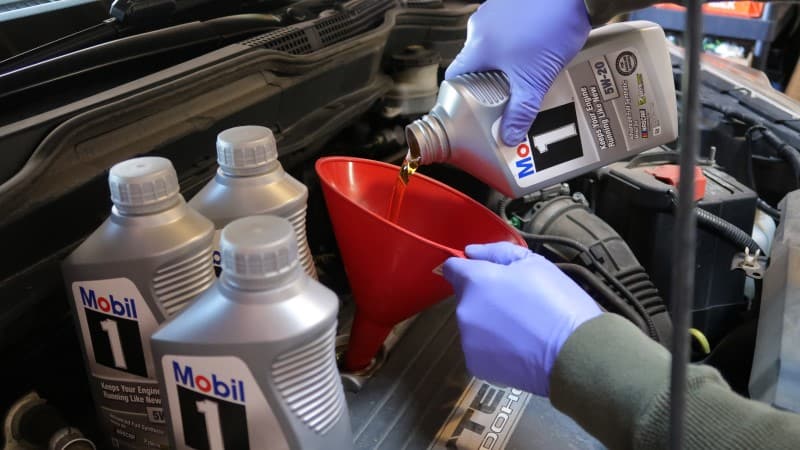
Before we get into how long you should let your engine cool before adding oil, let’s understand why cooling is important. When your engine runs, its parts produce heat, and the oil lubricates and cools these parts. When the engine is turned off, the oil in the engine’s bottom may still be circulating, and it can burn you if you touch it, similar to why you should know what to do if your car overheats. This is why you need to let it cool down before adding oil.
Let the Engine Cool Down
The general rule of thumb is to let your engine cool down for at least 5 to 10 minutes before adding oil. This should give enough time for the engine oil to settle back into the oil pan and for the components to cool down. However, if you’ve just done a long drive or racing, you may need to wait a bit longer, up to 20 or 30 minutes, especially if your engine is turbocharged.
Type of Oil
Another factor that can affect how long to let your engine cool before changing oil is the type of oil you’re using. Conventional oil is thinner and heats up faster, while synthetic oil is thicker, more robust, and cools down slower. If you’re using synthetic oil, you may need to wait longer before adding oil.
Type of Engine
Other factors that can affect how long you should leave your engine before adding oil include the type of engine you’re using and the oil capacity, the same variables worth knowing when you’re learning how to check transmission fluid. Smaller engines and those with less oil capacity may require less time to cool down, while larger engines may need more time.
It’s best to check your car manual or speak with a mechanic to determine the best time to add oil after shutting off your engine. In the meantime, you can check your oil level with a dipstick or oil light, but don’t add oil unless it’s below the recommended level, as overfilling can do more harm than good.
Conclusion
Knowing how long to let engine cool before adding oil is crucial to maintain your engine’s health and prevent accidents. Although the general rule of thumb is to wait 5 to 10 minutes, you may need to wait longer, depending on the engine type, oil capacity, and how long you’ve driven. Always check your car manual or seek professional advice to understand the specific requirements of your engine.
Don’t rush and add oil when it’s not necessary, as overfilling can cause engine damage. By following these tips, you can keep your engine running smoothly for longer.
Frequently Asked Questions
Can you add oil to a hot engine?
It’s not recommended. Adding oil to a hot engine risks burns from hot components and splashing oil, and the oil level reading can also be inaccurate until the oil has had time to drain back into the pan.
Is it OK to add oil to a completely cold engine?
Yes, a fully cold engine is safe for adding oil. The 5 to 10 minute cooldown guideline is really about avoiding burns and getting an accurate level reading, not about the oil itself needing warmth.
Does adding oil to a warm engine cause damage?
No, as long as the engine isn’t dangerously hot to the touch. A warm engine that’s had a few minutes to cool is generally fine for a top-off.
How do I know if my engine has cooled enough to check the oil?
If you can comfortably rest your hand on the engine block or oil pan without discomfort, it’s usually cool enough to get an accurate dipstick reading and add oil safely.