
Maintaining your vehicle can be daunting, especially when you aren’t sure what a warning light is actually telling you. One common point of confusion is what makes a car’s oil light flash, specifically, and whether that’s different from the light just staying on solid. In this post, we’ll cover what a flashing oil light means, why it happens, and what to do about it right now.
Flashing vs. Steady: Does It Actually Matter?
Either way, the oil light is telling you that oil pressure isn’t sufficient to properly protect your engine’s moving parts, and either version should be taken seriously. That said, there’s a meaningful difference: a flashing or flickering light usually means oil pressure is hovering right at the edge, the pressure switch is intermittently making and breaking contact, which points to a marginal or developing problem. A rock-steady light more often means pressure has dropped further and stayed there.
In practice, that can look like: the light flickering only when you’re idling (say, at a red light) but going off once you’re moving, which often points to marginally low oil, a partially clogged pickup, or early pump wear. Or the light coming on steadily even with the engine running normally, which points to a more serious, sustained pressure problem. Either pattern deserves prompt attention, but a steady light with the oil level confirmed full is the more urgent of the two and generally shouldn’t be driven on at all.
What to Do Right Now
As soon as it’s safe, pull over and turn off the engine. Continuing to drive on insufficient oil pressure can cause serious engine damage within minutes, since the moving parts inside your engine rely on that oil film to avoid grinding against each other. Once stopped, check your dipstick. If the oil is low, top it off, restart the engine, and see if the light clears; if it does, you can typically drive cautiously and directly to a shop, keeping speed and RPM low, and pulling over again immediately if the light comes back. If the oil level is fine and the light stays on, or you’re not sure what’s going on, don’t keep driving; call for a tow or roadside assistance instead.
Common Causes of a Flashing Oil Light
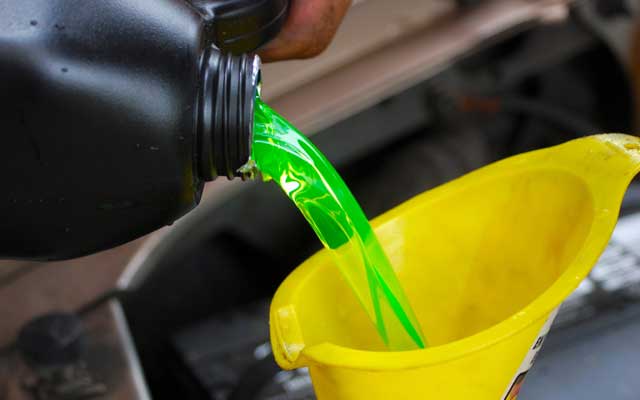
- Low Oil Level: The most common and easiest-to-check cause. If your oil level is low, pressure drops and the light flashes. Check your oil level regularly, and if you’re topping off often, it’s worth figuring out why the oil is disappearing in the first place.
- Faulty Oil Pump: The oil pump circulates oil through the engine, and if it’s failing, there’s little or no pressure to keep the engine lubricated, no matter how much oil is in the pan.
- Clogged Oil Filter: The oil filter keeps debris and contaminants out of the engine. When it becomes clogged, it restricts oil flow and drops pressure, which triggers the light.
- Existing Engine Wear or Damage: Worn bearings or other internal wear can cause pressure to drop even when oil level and the pump are both fine. This is often a sign of an engine that’s already accumulated significant wear.
- Electrical Faults: Sometimes the light itself is lying, a failing oil pressure sensor, corroded connector, or damaged wiring can cause the light to flash even with normal oil pressure. This is worth ruling out, but don’t assume it’s the cause without checking, since the consequences of guessing wrong are severe.
Conclusion
A flashing oil light means your engine isn’t getting adequate oil pressure, and the priority is stopping safely and checking your oil level before doing anything else. Whether the cause turns out to be something simple like low oil, or something more serious like a failing pump or worn bearings, treating the light with urgency the moment it appears is what actually protects your engine.
Regular maintenance, including checking your oil level between changes, is the simplest way to avoid ever seeing this light in the first place.
Frequently Asked Questions
Is it worse if the oil light flashes versus staying on steady?
A steady light generally indicates a more sustained pressure drop and is the more urgent of the two, but both should be treated seriously. A flashing light means pressure is hovering right at a marginal threshold, which can still develop into a serious problem quickly.
Can I keep driving if my oil light is flashing?
Pull over and turn off the engine as soon as it’s safe. If checking the dipstick shows low oil and topping it off clears the light, you can typically drive cautiously and directly to a shop at low speed. If the level is fine or you’re unsure, don’t keep driving; call for a tow instead.
Why does my oil light only flicker at idle but go off when I drive?
This usually points to marginally low oil pressure at idle RPM, often from being a quart or more low on oil, a partially clogged oil pickup, or early pump wear. It’s not usually an immediate emergency, but it should be diagnosed within a day or two.
How quickly can driving with low oil pressure damage an engine?
Serious damage can start within minutes, since the engine’s moving parts rely on a constant oil film to avoid metal-on-metal contact. This is why the light should never be ignored, even briefly.
Could the oil light be flashing due to a sensor problem instead of an actual oil issue?
It’s possible, a failing oil pressure sensor or damaged wiring can cause false warnings. But since you can’t tell the difference from the driver’s seat, always treat the light as a real oil pressure problem until a mechanic confirms otherwise.