
BMWs are the definition of luxury, and applying PPF on BMW vehicles is one of the best ways to protect that luxury look and maintain long-term value. With stunning designs, powerful engines, and a smooth ride, these cars are the definition of luxury. However, maintaining the pristine look of your BMW can be tough. The paint takes the brunt of the damage from everyday driving, and it’s not uncommon to get scratches and scuffs on the surface. That’s where PPF comes in, short for paint protection film.
In this post, we will explore what PPF is and why you should consider getting it for your BMW.
What is PPF and Why Use PPF on BMW?
PPF is a clear film that can be applied to the exterior of your BMW to protect the paint from scratches, dings, and other minor damages that can occur during regular driving. PPF works by absorbing the impact of any debris or particles that might come in contact with your car, leaving the paint untouched. It’s a different kind of protection from a coating, so it’s worth comparing whether ceramic coating is worth it for your needs, or combining the two.
Why You Should Consider PPF on Your BMW?
BMW owners invest a lot of money in their cars, and PPF can protect that investment. If you plan on keeping your BMW for an extended period, having PPF installed can help maintain the value of your car. PPF can also save you money on repairs in the long run, as it acts as a shield for your paint, even against deliberate damage like a keyed car, where the film often takes the scratch instead of the paint.
How is PPF Installed?
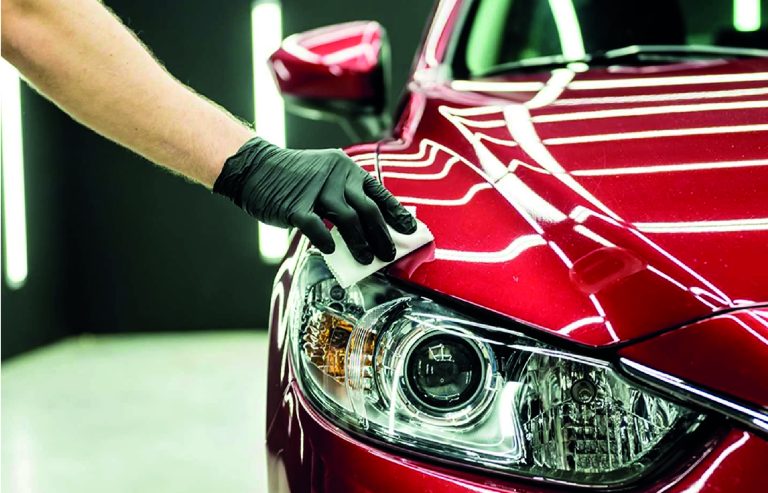
PPF can be installed by a professional in a matter of hours, depending on the size of your BMW. The process involves preparing the surface of your car, cutting the film to fit precisely, and carefully applying it to the vehicle. The film is then smoothed out and trimmed to ensure a seamless appearance.
How Long Does PPF Last?
PPF is incredibly durable and can last for several years, even with regular use. However, the longevity of the film depends on several factors, including the quality of the film itself, the installation process, and how well you take care of your car. In general, you can expect PPF to last around five to ten years, depending on how well you maintain it.
How Much Does PPF Cost?
The cost of PPF can vary depending on the size of your BMW and the quality of the film you choose. It is also essential to note that professional installation is always recommended for a seamless and durable finish. However, compared to the cost of repairs for paint damage and the potential impact on your car’s value, PPF is often a sound investment. In general, a partial front-end package (bumper, partial hood, fenders, and mirrors) typically runs from about $1,000 to $2,500, while full-body coverage on a BMW commonly costs $5,000 or more, depending on the model, the film brand, and the installer. For comparison, see how much ceramic coating costs.
Conclusion
Protecting the paint on your BMW is essential to keep it looking its best and maintaining its value. Getting PPF on BMW models is an excellent option for owners looking for an extra layer of protection. With its durability, seamless appearance, and potential cost savings, PPF is a smart investment.
By considering PPF for your BMW, you can ensure that your car looks stunning for years to come and functions at peak performance.
Frequently Asked Questions
Is full-body PPF worth it on a BMW?
It can be for owners who plan to keep the car long term, drive often on highways, or have a high-value model. Many owners choose front-end coverage instead, since that’s where most rock chips happen.
Can PPF be removed without damaging BMW paint?
Yes, quality PPF can usually be removed cleanly by a professional, especially on factory paint in good condition. Very old or sun-baked film may take more care to remove.
Does PPF turn yellow over time?
Older and lower-quality films could yellow, but modern premium films are UV-stabilized and resist yellowing for the life of their warranty, often 7 to 10 years.
Can I apply ceramic coating over PPF?
Yes. Many owners apply a ceramic coating on top of PPF to add gloss and make the film easier to clean, combining impact protection with hydrophobic protection.