For any car enthusiast, the sound of a revved-up engine is music to the ears. There’s something about the roar of the exhaust that gets the heart racing and ignites a passion like no other. But what if your car doesn’t have that deep, throaty sound you crave? Fortunately, there are some modifications you can make to your exhaust system to give it that sporty sound you’re after, and it helps to understand which parts actually control volume versus which ones just shape the tone.
In this blog, we’ll explore some of the ways you can make your car’s exhaust sound more aggressive and sporty.
1. Upgrade Your Muffler for a Sportier Exhaust Sound
The muffler is the main component controlling how loud your exhaust is. Stock mufflers use internal chambers and packing material to significantly quiet the exhaust note, which also limits its volume and depth. Performance mufflers, particularly straight-through or less-baffled designs, let more sound pass through with less restriction, resulting in a noticeably louder and deeper exhaust note. A separate component, the resonator, works alongside the muffler to cancel out unwanted frequencies (like highway drone) rather than controlling overall volume, so it’s worth treating the two as different upgrades with different jobs.
2. Changing the Exhaust Tips
Exhaust tips are mostly a styling upgrade. A bigger tip opening doesn’t meaningfully increase actual volume or decibel level; that’s controlled by the muffler, resonator, and overall exhaust design upstream of the tip. What tips can do is subtly shape the tone, some resonated tip designs add a bit of extra depth or edge to the sound, and change the visual look with an oval, rectangular, or dual-tip design. Worth doing for the look and small tonal tweak, but don’t expect a tip swap alone to make your car meaningfully louder.
3. Install a Cat-Back Exhaust System to Make Your Exhaust Sound Sporty
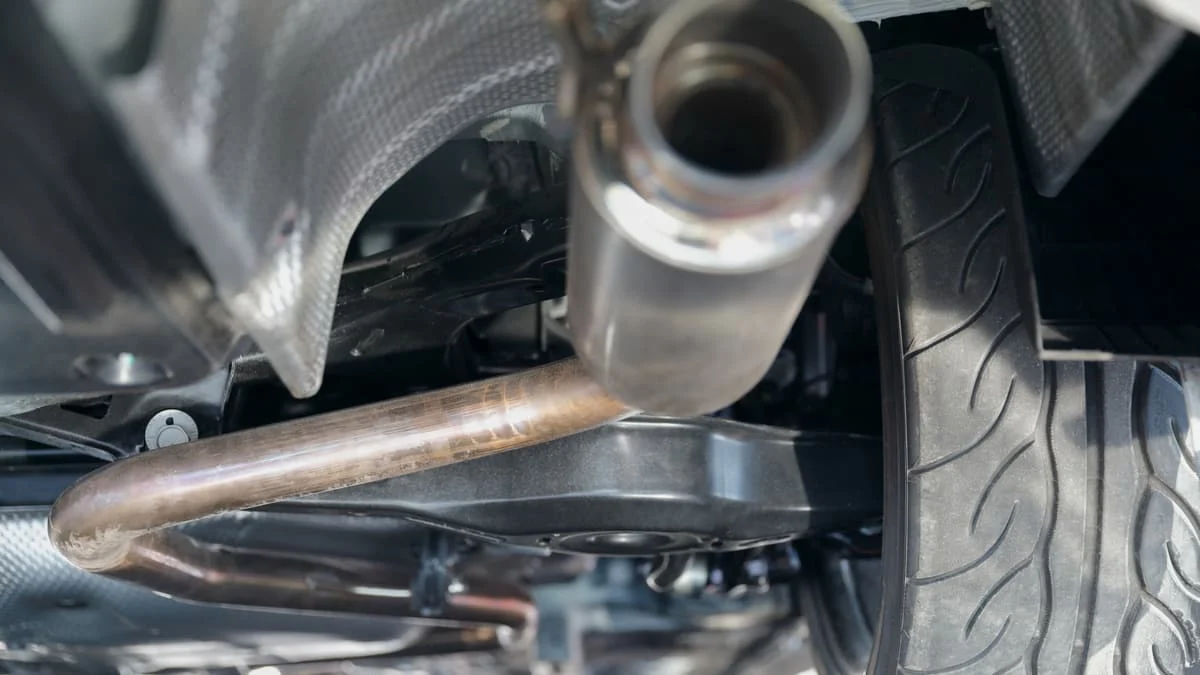
A cat-back exhaust system includes all the parts of the exhaust system from the catalytic converter to the exhaust tips: pipes, resonator, muffler, and tips as a matched set. Replacing all of it with performance components genuinely can produce a more aggressive exhaust note, since larger-diameter, less restrictive parts working together allow more exhaust flow and a fuller tone, unlike a tip swap alone.
4. Add an X-Pipe or H-Pipe to Shape the Tone
An X-pipe or H-pipe is a section of pipe that connects the left and right sides of a dual exhaust system, letting exhaust pulses from each bank balance against each other. Neither one is automatically louder on its own; overall volume still comes down to the mufflers and resonators in the rest of the system. What they mainly change is character: an H-pipe tends to preserve a deeper, more traditional muscle-car tone, while an X-pipe often produces a slightly more raspy, higher-revving character, along with a modest, secondary improvement in flow balance between the two banks. If you’re chasing a specific sound, it’s worth listening to real examples of each on a similar car before committing, and consulting an experienced shop for fitment on your specific model.
5. Optimizing Exhaust System Length and Diameter
The length and diameter of your exhaust system can also have an impact on the sound of your car’s exhaust. A larger diameter generally allows more exhaust flow and can produce a deeper, fuller sound, but oversizing it for your engine can actually hurt performance by reducing exhaust velocity. It’s important to match length and diameter to your specific engine and power level rather than just going as large as possible, since the wrong sizing can decrease performance instead of improving the sound.
Conclusion
Modifying your exhaust system can be a great way to give your car a sportier sound and make it stand out from the crowd. The key is knowing which parts actually control volume (the muffler, resonator, and overall pipe sizing) versus which ones mainly shape tone and looks (tips, and to a lesser extent, X- or H-pipes). Before you start, do your research and consult with a mechanic or exhaust shop who can help steer you in the right direction for your specific car.
Upgrading your muffler, installing a cat-back system, and choosing the right exhaust tips for your desired tone are just a few of the ways you can achieve that sporty sound you’re after. With the right modifications, you can make your car sound even better than it looks.
Frequently Asked Questions
Do bigger exhaust tips actually make my car louder?
Not meaningfully. Exhaust tips mostly affect the visual look and add a subtle tonal tweak. Actual volume comes from the muffler, resonator, and overall exhaust design, not the tip’s size.
Is an X-pipe or H-pipe louder?
Neither is automatically louder than the other. They mainly shape the tone (H-pipes tend toward a deeper, traditional sound, X-pipes toward a raspier, higher-revving character), while overall volume comes from the mufflers and resonators elsewhere in the system.
What’s the difference between a muffler and a resonator?
The muffler is the main component controlling how loud the exhaust is. The resonator is a separate part that cancels out specific unwanted frequencies, like highway drone, rather than controlling overall volume.
Will a bigger diameter exhaust always sound better?
Not necessarily. Oversizing the diameter for your engine can reduce exhaust velocity and hurt performance. It’s better to match the diameter to your specific engine and power level than to simply go as large as possible.
What’s the single best upgrade for a sportier exhaust sound?
A cat-back exhaust system tends to make the biggest difference, since it replaces the pipes, resonator, muffler, and tips together as a matched set, rather than changing just one component.