A clicking noise only when backing up is usually caused by the brakes, not the engine or transmission. The most common culprit is brake pads shifting slightly in their caliper bracket when the car changes direction, which makes a single click or clunk the first time you brake in reverse. Loose caliper bolts, worn brake hardware, drum brake self-adjusters, and worn CV joints are the other likely causes. The pattern of the noise usually tells you which one you’re dealing with.
Match the Click to the Cause
- One click when you first brake in reverse: pads shifting in the caliper bracket.
- Clunk every time you change direction: loose caliper or bracket bolts, or worn suspension bushings.
- Repeated clicking while reversing, faster with speed: CV joint, a stone in the tire tread, or something touching the wheel.
- Click from the rear when braking in reverse: drum brake self-adjuster working, often normal.
- Clicking while turning and reversing: a worn outer CV joint.
Common Causes of Clicking When Reversing
1. Brake Pads Shifting in the Caliper
Brake pads sit in a bracket with a little clearance. When you brake going forward, they press against one end of the bracket. When you back up and brake, they slide to the other end, making a click. Missing or worn anti-rattle clips and shims make it louder. It’s usually harmless, but new hardware and properly lubricated contact points often quiet it down.
2. Loose Caliper or Bracket Bolts
If the clunk is heavy or happens every time you switch between forward and reverse, check that the caliper and caliper bracket bolts are torqued properly, especially if the brakes were recently serviced. Loose brake hardware is a safety issue and should be fixed right away. If brakes also feel soft, see why your brakes feel spongy.
3. Drum Brake Self-Adjusters
Many vehicles with rear drum brakes have self-adjusters designed to operate when you brake in reverse. A light click from the rear as they adjust is normal. A loud or repeated clunk may mean worn hardware inside the drum.
4. Worn CV Joint
On front-wheel-drive and all-wheel-drive vehicles, a worn CV joint can click, especially when reversing while turning. Look for a torn rubber boot and grease sprayed around the wheel area. A failing CV joint gets worse over time and should be replaced before it breaks.
5. Worn Suspension Components
Worn control arm bushings, ball joints, or sway bar links can clunk as the car’s weight shifts when you change direction. Our guide on what a control arm is on a car explains one of the most common sources.
6. Something Stuck in the Tire or Wheel
A nail, screw, or stone in the tread can click with every wheel rotation in either direction, but you may only notice it when reversing slowly with the windows down. Inspect the tires and the wheel area for anything stuck or touching.
When to Worry
A single soft click when braking in reverse is usually just pad movement. Get the car checked soon if the noise is loud, gets worse, happens while driving forward too, or comes with grinding, pulling, or a change in brake pedal feel. Grinding means metal-on-metal contact; see how long you can drive with grinding brakes.
How to Fix It
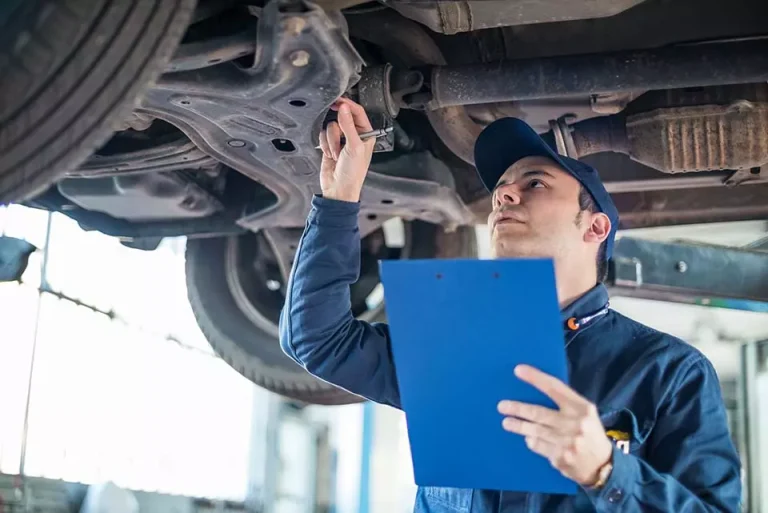
For pad shift noise, replace worn anti-rattle clips and shims and lubricate the pad contact points with brake grease. For loose hardware, torque caliper and bracket bolts to spec. For CV joints, replace the axle or joint. For suspension clunks, replace the worn bushing, ball joint, or link. A quick brake check is a good addition to your car maintenance checklist.
Conclusion
A clicking noise only when backing up usually comes from brake pads shifting in their bracket, which is normally harmless. If the noise is a heavy clunk, repeats with every rotation, or gets louder over time, check for loose caliper bolts, a worn CV joint, or worn suspension parts. Matching the type of click to the cause is the quickest way to know whether it’s normal or needs repair.
Frequently Asked Questions
Is it normal for brakes to click when reversing?
A single light click the first time you brake in reverse is often normal. It’s the pads shifting in the caliper bracket when the direction changes.
Why does my car click when I reverse and turn?
Clicking while reversing and turning often points to a worn CV joint, especially on front-wheel-drive vehicles. Check the CV boots for tears and leaking grease.
Can new brake pads cause clicking in reverse?
Yes. If anti-rattle clips were not replaced or the pads fit loosely in the bracket, they can click when changing direction. Correct hardware and lubrication usually fixes it.
Is a clunk when shifting into reverse a brake problem?
Not always. A clunk when shifting, before the car moves, is more often caused by worn engine or transmission mounts or driveline slack.