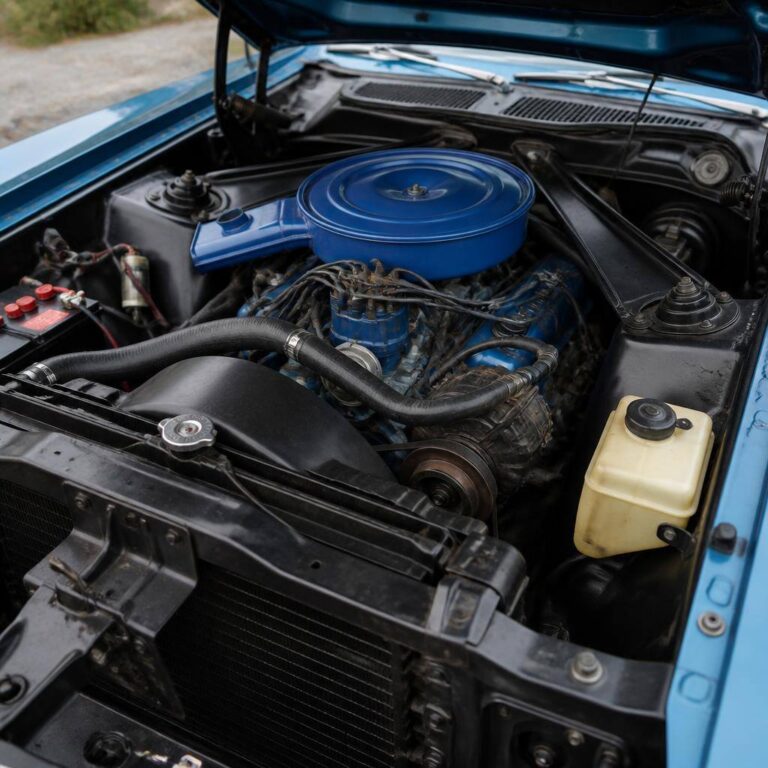
If your engine vibrates only in reverse, the most likely cause is a worn motor mount or transmission mount. When you shift into Reverse, the engine twists in the opposite direction from Drive. A mount that still holds the engine steady one way may be collapsed or torn in the direction Reverse loads it, so the engine’s vibration passes straight into the cabin. Low idle speed and a misfire that shows up under load are the next most common causes.
Why Reverse Makes Vibration Worse
When you shift into gear with your foot on the brake, the engine pushes against the transmission and the whole powertrain rotates slightly on its mounts. In Drive it leans one way, and in Reverse it leans the other way, often with more torque because Reverse uses a low gear ratio. Rubber mounts are designed to absorb that movement. When one wears out, the engine either contacts metal or moves far enough to change how vibration travels, and you feel it in the seat, steering wheel, or floor. If the car shakes while moving too, not just in gear at a stop, also read why is my car shaking.
Common Causes of Engine Vibration Only in Reverse
1. Worn or Broken Motor Mounts
This is the most common cause. Mount rubber cracks, separates, or collapses with age and heat, and hydraulic mounts can leak fluid. Other signs include a clunk when shifting between Drive and Reverse, the engine rocking noticeably when someone revs it in gear, and more vibration at idle in gear than in Park.
2. Worn Transmission Mount
The transmission mount supports the rear of the powertrain on many vehicles. When it wears, the engine and transmission can move too much under Reverse torque. It’s often replaced along with the engine mounts because they age together.
3. Low or Rough Idle Speed
Putting the car in gear adds load and drops idle speed slightly. If idle is already low because of a dirty throttle body, a vacuum leak, or a faulty idle control system, the engine can run rough and shake once it’s loaded in Reverse. Cleaning the throttle body is a cheap first step on many cars.
4. Misfire Under Load
A weak spark plug, ignition coil, or injector may only misfire when the engine is loaded, which can make Reverse feel rough. A flashing or steady check engine light is a clue. Our guide on how long you can drive with a misfire explains what to check.
5. Exhaust Touching the Body
When the engine shifts in Reverse, the exhaust pipe can move enough to touch a heat shield or the underbody, transmitting vibration and sometimes a buzzing noise. A broken exhaust hanger often allows this.
6. Transmission or Torque Converter Issues
Less commonly, a torque converter problem or low transmission fluid can cause shudder in gear. If you also notice delayed engagement or slipping, check the fluid using our guide on how to check transmission fluid.
How to Check Your Motor Mounts
With a helper standing safely to the side, open the hood, hold the brake firmly, and shift between Drive and Reverse while lightly pressing the accelerator. Watch the engine. A small amount of movement is normal, but if it jumps or lifts noticeably, a mount is likely worn. Never stand in front of the car during this test. You can also inspect mounts visually for cracked rubber, separation, or leaking fluid.
Is It Safe to Drive?
A worn mount isn’t usually an immediate emergency, but it shouldn’t be ignored. Excess engine movement stresses hoses, wiring, the exhaust, and axles. A completely broken mount can let the engine move enough to damage other parts. If the vibration comes with a flashing check engine light, read whether it’s safe to drive with the check engine light on before driving further.
Conclusion
When an engine vibrates only in reverse, worn motor or transmission mounts are the first thing to check, because Reverse loads the mounts in a different direction than Drive. If the mounts look good, look at idle speed, misfires under load, the exhaust hangers, and the transmission. Catching a bad mount early is cheaper than repairing the damage excess engine movement can cause.
Frequently Asked Questions
Why does my car shake in reverse but not in drive?
Reverse twists the engine in the opposite direction from Drive, often with more torque. A mount that is worn on one side may only let vibration through when the engine is loaded in Reverse.
How much does it cost to replace a motor mount?
Costs vary widely by vehicle. Some mounts are quick to replace, while others require supporting the engine and removing other parts, which increases labor.
Can a bad motor mount cause a clunk when shifting?
Yes. A clunk or thump when shifting between Park, Drive, and Reverse is one of the most common signs of a worn engine or transmission mount.
Can low idle cause vibration in reverse?
Yes. If idle speed is already low, the extra load of being in gear can make the engine run rough. Cleaning the throttle body or fixing a vacuum leak often helps.