You’re driving along and a small orange engine icon lights up on your dashboard. No noise, no smell, nothing feels different, so is it safe to drive with check engine light on, or should you pull over right now? The honest answer depends on one detail most drivers overlook: whether that light is steady or flashing.
Steady Light vs. Flashing Light: The Difference That Matters
A steady, solid check engine light usually means the car’s computer has detected an issue that isn’t an immediate danger, things like a loose gas cap, a failing oxygen sensor, or an emissions-related fault. It’s worth getting checked soon, but in most cases, it’s safe to drive with check engine light on in this state, at least long enough to get to a mechanic.
A flashing or blinking check engine light is a different story entirely. This typically indicates an active engine misfire that’s dumping unburned fuel into the exhaust system, where it can rapidly overheat and damage your catalytic converter, similar to the damage caused by Engine Code P0420, sometimes within just a few minutes of driving. If your check engine light is flashing, the safest move is to reduce speed, avoid heavy acceleration, and get the car to a safe stop as soon as reasonably possible.
Is It Safe to Drive With Check Engine Light On? What Else to Watch For
The check engine light alone doesn’t tell you everything. Pay attention to how the car is actually behaving alongside it. A rough idle, a noticeable loss of power, unusual smells like burning oil or rotten eggs, or any accompanying warning lights, especially a temperature or oil pressure warning, all raise the urgency significantly. In those cases, treat it as unsafe to keep driving normally, regardless of whether the light itself is steady or flashing.
If the car drives completely normally with no other symptoms, a steady check engine light gives you some breathing room, typically a few days, to get a diagnostic scan done, though it’s never a good idea to ignore it indefinitely, and it’s a good reminder to review your car maintenance checklist for other warning signs you might be overlooking.
Common Causes Behind a Steady Light
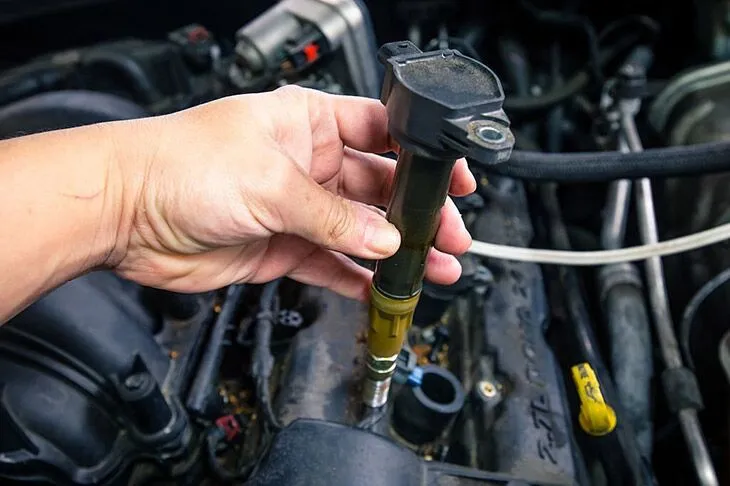
Some of the most frequent, lower-urgency causes include a loose or damaged gas cap, a failing oxygen sensor, a worn spark plug or ignition coil, similar to the issues covered in our guide on whether you should replace ignition coils with spark plugs, or a catalytic converter that’s starting to lose efficiency. Any auto parts store can typically read the stored code for free using an OBD-II scanner, which gives you a starting point even before you get to a mechanic.
What Happens If You Ignore It Too Long
Even a low-urgency check engine light shouldn’t sit unaddressed for months. Small issues tend to compound. A minor misfire left unchecked can foul spark plugs and damage the catalytic converter over time, similar to how ignoring a Check VSC System warning on some vehicles can let a small issue snowball, turning a cheap fix into an expensive one. Fuel economy often quietly drops too, so what feels like a harmless dashboard light can end up costing you money at the pump long before it causes a breakdown.
Conclusion
So, is it safe to drive with check engine light on? If the light is steady and the car otherwise drives normally, yes, for a short while, but get it scanned soon. If the light is flashing, or you notice a rough idle, loss of power, or other warning lights alongside it, treat it as urgent and get the car checked as soon as possible rather than risking more expensive damage.
Frequently Asked Questions
Can a loose gas cap really trigger the check engine light?
Yes, a loose, cracked, or missing gas cap is one of the most common causes, since it lets fuel vapor escape and throws off the evaporative emissions system’s pressure readings. Tightening the cap can sometimes clear it after a few drive cycles.
How long can I drive with a steady check engine light before it’s a problem?
There’s no universal safe number, but most mechanics recommend getting it scanned within a few days if the car is otherwise driving normally, rather than letting it go for weeks or months.
Will an auto parts store really read my check engine code for free?
Most major auto parts chains offer free code reading as a customer service, using a basic OBD-II scanner. It won’t diagnose every issue in depth, but it gives you the stored code as a starting point.
Does the check engine light mean the same thing as the maintenance required light?
No, they’re different. The maintenance required light is just a mileage-based reminder for routine service like an oil change, while the check engine light indicates the computer has detected an actual fault with an emissions or engine system.