You press the brake pedal and hear it: a metallic grinding or scraping sound, not the usual squeal, but a harsher, grittier noise. So how long can you drive with grinding brakes before it’s genuinely dangerous? The short answer is: as little as possible. Grinding almost always means your brake pads are already worn past their friction material, and every mile after that point does real, often expensive, damage.
How Long Can You Drive With Grinding Brakes? Not Long at All
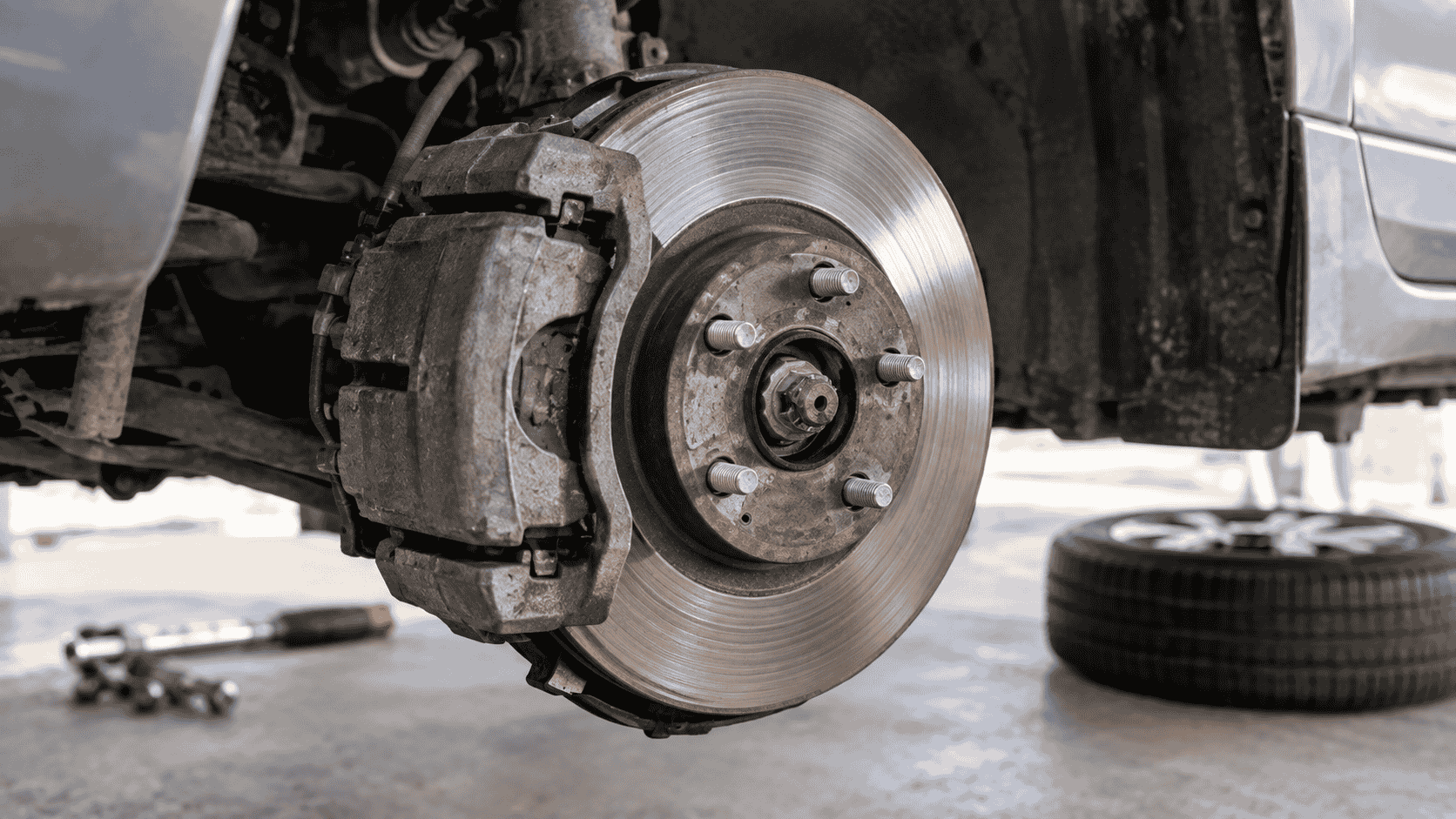
Once a brake pad’s friction material has worn away completely, you’re left with metal-on-metal contact between the pad’s backing plate and the rotor. At that point, you’re not just losing stopping power gradually, you’re actively grinding grooves into the rotor surface with every stop. Some drivers push through a few days or even a week on grinding brakes, but doing so significantly shortens the safe window and multiplies the repair cost. If you can avoid driving the car at all until it’s repaired, that’s the safest option; if you must drive, keep it to the shortest, slowest trip possible, like straight to a repair shop.
Unlike a squeal, which is often just a wear indicator giving you an early warning, a grinding sound means you’ve already passed that warning stage. Treat grinding brakes as an immediate, not a someday, repair.
What Grinding Brakes Actually Damage
The most immediate casualty is your brake rotors. Metal-on-metal contact scores deep grooves into the rotor surface, and once that happens, resurfacing often isn’t enough, the rotors need full replacement rather than the pad-only job you’d otherwise be looking at. In more severe cases, prolonged grinding can also damage the caliper and its mounting hardware, and stopping distances increase substantially the longer you drive on compromised brakes, which is a genuine safety risk, not just a cost issue. Any time you’re working around the wheels for a brake job, it’s also worth double-checking that your lug nuts are torqued correctly once the wheel goes back on.
Grinding vs. Squealing: Know the Difference
Many brake pads have a small metal wear indicator built in specifically to produce a high-pitched squeal when the pad is getting low, giving you a warning before things get serious; that’s different from the grinding covered here, and if you’re hearing squealing that only happens at certain times, it’s worth reading about why brakes squeak only in the morning, which is often a separate, less urgent issue related to moisture or light surface rust. A grinding or grating noise, on the other hand, means that warning stage has already passed.
What to Do If You’re Hearing Grinding Right Now
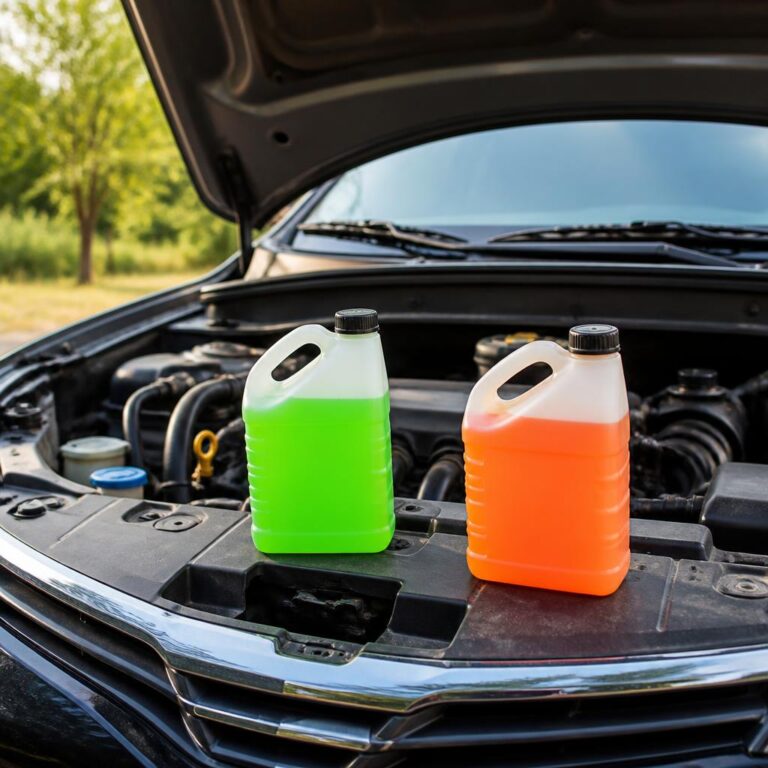
If it’s safe to do so, get the car to a repair shop as soon as possible, ideally the same day. Avoid hard braking and highway driving in the meantime, since both increase heat and wear on already-compromised brakes. It’s also worth checking your brake fluid level while you’re at it, since a sudden change in brake feel can sometimes point to more than one issue at once, and an unrelated humming noise from a wheel is worth investigating separately rather than assuming it’s the same problem.
Why Ignoring It Gets Expensive Fast
A routine pad replacement is one of the more affordable brake jobs there is. Once you’ve ground the rotors, you’re paying for pads and rotors together, and if the caliper or its hardware is damaged too, the bill climbs further still. What could have been a simple, inexpensive fix turns into a much larger one the longer grinding brakes are ignored, which is exactly the kind of small issue our car maintenance checklist is meant to help you catch early.
Conclusion
So, how long can you drive with grinding brakes? As briefly as possible. Grinding means the pad’s friction material is already gone, and every mile after that damages the rotors further while reducing your stopping power. Get the car to a shop right away, drive gently and minimally in the meantime, and treat it as an urgent repair rather than something to put off.
Frequently Asked Questions
Can I still drive if only one wheel’s brakes are grinding?
It’s still unsafe to drive on, since uneven braking force between wheels can cause the car to pull to one side under braking and increases your overall stopping distance, even if the other three wheels are fine.
How much does it cost to fix grinding brakes?
A pad and rotor replacement typically runs $300 to $600 per axle, more than a simple pad-only job, since the rotors have usually been damaged by the metal-on-metal contact by the time grinding starts.
Is grinding always caused by worn-out pads?
Usually, yes, but it can occasionally be caused by a rock or debris stuck between the pad and rotor, a seized caliper, or a broken pad clip. It’s still worth having it inspected immediately regardless of the cause.
Will grinding brakes damage anything besides the rotors?
In prolonged cases, yes. The caliper, its mounting hardware, and even the wheel bearing can suffer damage from the excess heat and vibration caused by extended metal-on-metal braking.