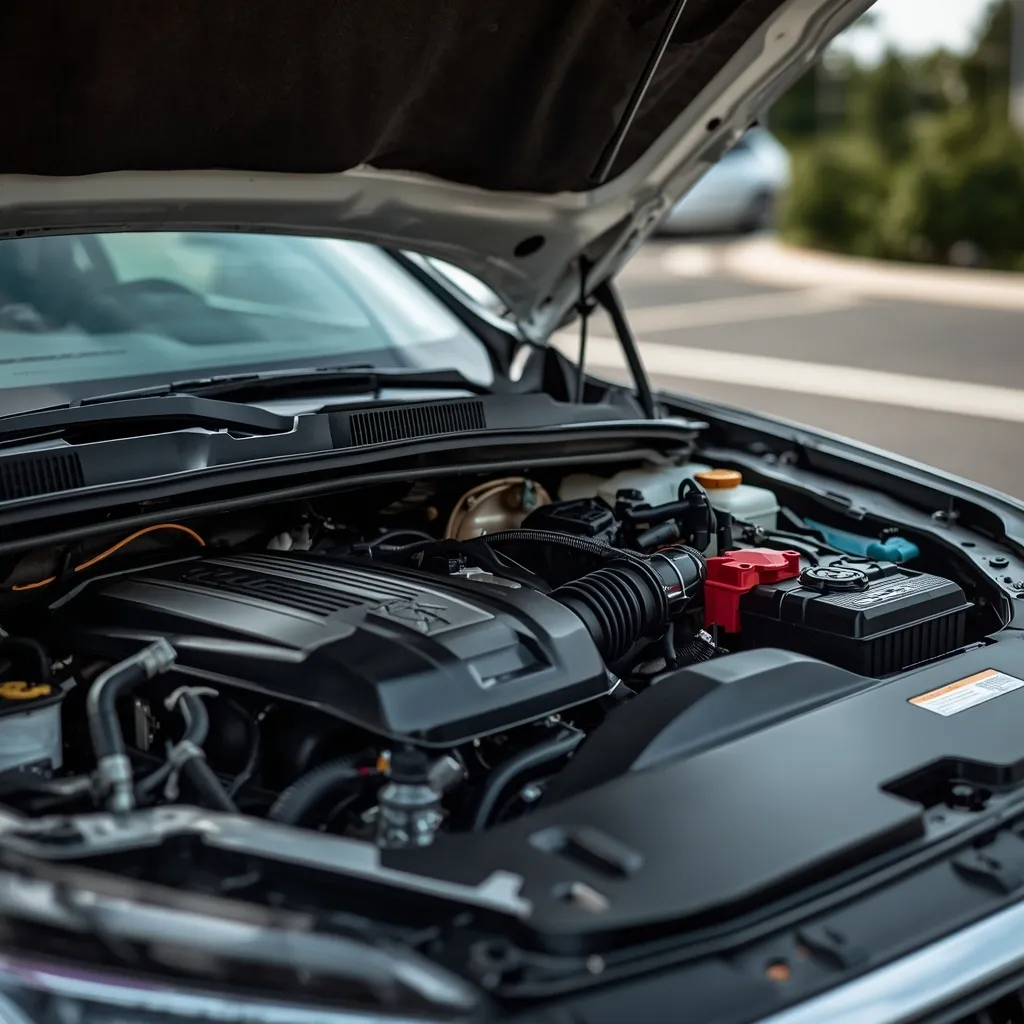
If your engine stalls only after filling gas, or cranks for a long time and runs rough right after a fill-up, the most likely cause is a faulty EVAP purge valve that’s stuck open. The evaporative emissions (EVAP) system captures fuel vapor from the tank and stores it in a charcoal canister. When the purge valve can’t close, refueling pushes a rush of raw fuel vapor into the intake, flooding the engine with an overly rich mixture. The car may start rough, stumble, or stall within a few seconds, then run normally once the extra vapor clears.
How the EVAP System Works
Gasoline gives off vapor, and modern cars aren’t allowed to vent it to the air. Instead, vapor from the fuel tank flows into a charcoal canister. When the engine is warmed up and running, the computer opens the purge valve so the engine can draw that stored vapor in and burn it. A separate vent valve lets fresh air into the canister. When everything works, you never notice it. When the purge valve sticks open, the system loses control over when vapor reaches the engine, and refueling is when the problem shows up most.
Common Causes of Stalling After Refueling
1. Stuck-Open Purge Valve (Most Common)
A purge valve that leaks or sticks open lets vapor flow into the intake when it shouldn’t. During refueling, the incoming fuel displaces a large volume of vapor, which floods the engine at the next start. Many vehicles set a code such as P0496 (EVAP high purge flow), though some show no code at all. Replacing the purge valve is usually inexpensive and often a quick job.
2. Topping Off the Tank
Squeezing in extra fuel after the pump clicks off can push liquid gasoline into the charcoal canister, which is only designed to handle vapor. A saturated canister can cause hard starts and rough running after refueling, and it can damage the canister and vent valve over time. Stop at the first automatic click-off.
3. Damaged Charcoal Canister or Vent Valve
Once the canister is saturated or broken, charcoal pellets can travel into the purge valve and lines, causing it to stick. A faulty vent valve can also make refueling difficult, with the pump nozzle clicking off repeatedly. A check engine light with an EVAP code is common in this case; see whether it’s safe to drive with the check engine light on.
4. Contaminated or Poor-Quality Fuel
If stalling started after filling up at a particular station, the fuel itself may be the problem. Water or debris in gasoline can cause sputtering and stalling. Filling with fresh fuel from a busy, reputable station often helps. Persistent fuel delivery problems are covered in our guide to the signs of a bad fuel pump.
5. Running the Tank Very Low Before Filling
Regularly running the tank near empty can pull sediment into the fuel system and make the in-tank pump run hotter. The stalling may then appear around refueling simply because the car was nearly out of fuel. It’s better to refuel early; for example, here’s how many miles you get after the gas light comes on in a Honda Civic.
How to Diagnose the Problem
- Scan for codes: EVAP codes such as P0496, P0441, or P0455 point to the purge or vent system.
- Note the pattern: if the problem happens only right after refueling and then clears, the purge valve is the top suspect.
- Test the purge valve: with the engine off, the valve should not pass air when you blow through it. If it does, it’s stuck open.
- Check fuel quality: if it started after one specific fill-up, try a different station.
Quick Workaround Until It’s Fixed
If the car floods after refueling, holding the accelerator to the floor while cranking puts many fuel-injected cars into “clear flood” mode, which cuts fuel until the engine fires. Check your owner’s manual, since not every vehicle supports it. This is only a temporary trick, though. Running rich repeatedly can foul spark plugs and stress the catalytic converter, so get the purge valve fixed. Dirty injectors can make starting problems worse, so it’s worth knowing how to clean fuel injectors too.
Conclusion
When an engine stalls only after filling gas, a stuck-open EVAP purge valve is the first thing to check, especially if the problem clears after a few seconds of running. Topping off the tank, a saturated charcoal canister, and bad fuel are the other common causes. Stop filling at the first click, scan for EVAP codes, and replace the purge valve if it fails a simple test.
Frequently Asked Questions
Why does my car have trouble starting after getting gas?
The most common reason is a purge valve that is stuck open, which floods the engine with fuel vapor after refueling. A saturated charcoal canister from topping off the tank can cause the same symptom.
Can topping off gas damage my car?
Yes. Overfilling can push liquid fuel into the charcoal canister, which is designed only for vapor. That can damage the canister and purge system and cause hard starts after refueling.
How much does it cost to replace a purge valve?
The valve itself is usually inexpensive, and on many vehicles it’s easy to reach, so the total cost is often modest. Labor rises if the valve is hard to access.
Will a bad purge valve turn on the check engine light?
Often, yes. Codes like P0496 are common, but some vehicles show symptoms before any code appears, especially early in the failure.